Medically Reviewed and Compiled by Dr. Adam N. Khan, MD.
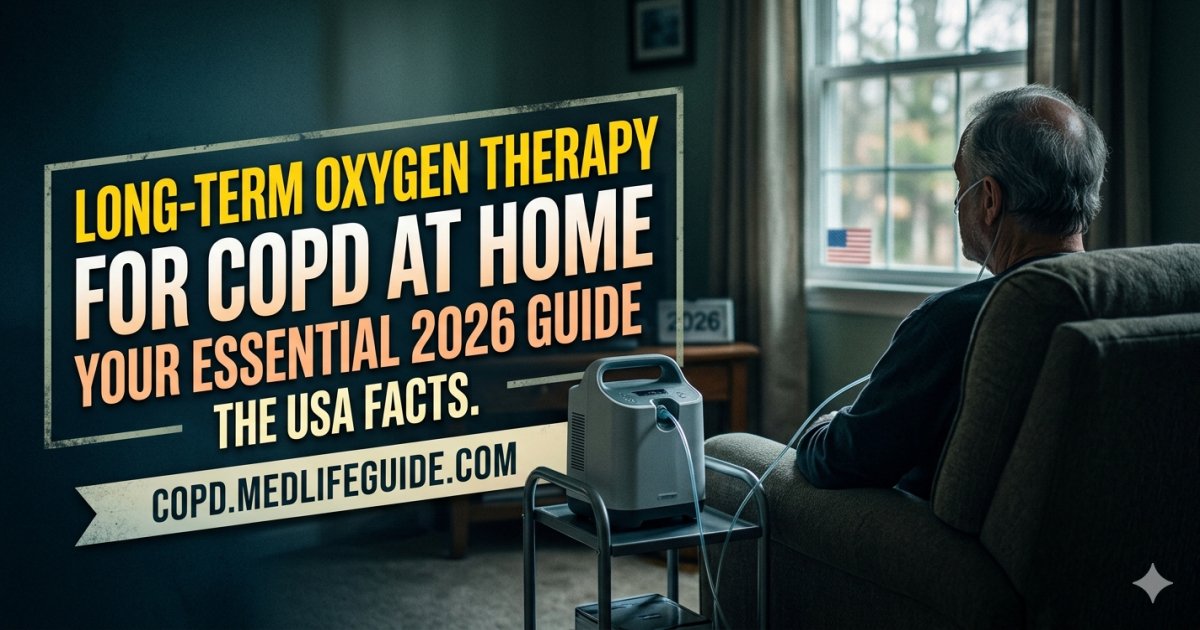
Long-Term Oxygen Therapy (LTOT) for COPD at home is a medically proven treatment for people with chronic obstructive pulmonary disease (COPD) who have low blood oxygen levels. LTOT helps increase oxygen delivery to the body’s organs and tissues, reduces complications related to chronic hypoxemia, and can improve survival in carefully selected patients.
According to evidence from the National Heart, Lung, and Blood Institute (NHLBI), Global Initiative for Chronic Obstructive Lung Disease (GOLD), and landmark clinical trials, oxygen therapy is most beneficial for COPD patients with severe resting hypoxemia. When prescribed correctly and used consistently, LTOT can help improve daily function, reduce strain on the heart, and support a better quality of life.
This guide explains who qualifies for LTOT, how it works, its benefits, risks, home safety measures, and important clinical considerations.
What Is Long-Term Oxygen Therapy (LTOT)?
Long-Term Oxygen Therapy (LTOT) is the use of supplemental oxygen for at least 15 hours per day, often including sleep hours, in patients with chronic low oxygen levels.
COPD can damage the lungs and reduce the body’s ability to transfer oxygen from inhaled air into the bloodstream. Over time, low oxygen levels can affect multiple organs, including the heart and brain.
LTOT provides additional oxygen through:
- Nasal cannula
- Oxygen concentrator
- Compressed oxygen cylinders
- Liquid oxygen systems
The goal is to maintain oxygen saturation at safe levels as determined by a healthcare provider.
Understanding COPD and Low Oxygen Levels
COPD is a chronic lung disease that includes:
- Emphysema
- Chronic bronchitis
- Mixed COPD patterns
As lung damage progresses, oxygen transfer becomes less efficient. This may lead to chronic hypoxemia, a condition where blood oxygen levels remain below normal.
Common symptoms of low oxygen levels include:
- Shortness of breath
- Fatigue
- Reduced exercise tolerance
- Morning headaches
- Difficulty concentrating
- Bluish lips or fingertips (cyanosis)
Not all COPD patients require oxygen therapy. LTOT is reserved for patients who meet specific medical criteria.
Who Qualifies for Long-Term Oxygen Therapy?
A healthcare provider determines eligibility using arterial blood gas testing or pulse oximetry.
Patients may qualify if they have:
Severe Resting Hypoxemia
Common qualifying measurements include:
- PaO₂ of 55 mmHg or less, or
- Oxygen saturation of 88% or less at rest
Moderate Hypoxemia With Complications
Some patients qualify when oxygen levels are slightly higher but accompanied by:
- Pulmonary hypertension
- Right-sided heart failure (cor pulmonale)
- Elevated red blood cell count caused by chronic hypoxemia
Oxygen Desaturation During Sleep
Certain patients experience significant oxygen drops while sleeping and may require nighttime oxygen therapy.
Oxygen Desaturation During Activity
Some patients maintain normal oxygen levels at rest but experience significant drops during physical activity.
Regular reassessment is important because oxygen needs can change over time.
How Long-Term Oxygen Therapy Works
Supplemental oxygen increases the concentration of oxygen delivered to the lungs.
When more oxygen reaches the bloodstream:
- Organs receive better oxygen supply
- Heart workload may decrease
- Exercise capacity may improve
- Symptoms related to hypoxemia may lessen
LTOT does not cure COPD. Instead, it helps manage complications associated with chronic oxygen deficiency.
Proven Benefits of LTOT in COPD
Several landmark studies, including the Nocturnal Oxygen Therapy Trial (NOTT) and Medical Research Council (MRC) Trial, demonstrated survival benefits in selected COPD patients with severe hypoxemia.
Improved Survival
Patients with severe chronic hypoxemia who use oxygen as prescribed may experience improved long-term survival.
Reduced Heart Strain
Chronic low oxygen levels can increase pressure in pulmonary blood vessels.
LTOT may help reduce progression of:
- Pulmonary hypertension
- Cor pulmonale
Better Physical Function
Many patients experience:
- Improved endurance
- Better tolerance of daily activities
- Less fatigue during movement
Improved Sleep Quality
Correcting nighttime oxygen deficiency may help improve sleep and reduce morning symptoms.
Enhanced Quality of Life
Some patients report:
- Greater independence
- Increased participation in daily activities
- Improved comfort during routine tasks
Types of Home Oxygen Systems
Oxygen Concentrators
These devices extract oxygen from room air.
Advantages include:
- Continuous oxygen supply
- No refilling required
- Widely used in the United States
Limitations include:
- Requires electricity
- Limited portability for some models
Portable Oxygen Concentrators
Portable systems allow greater mobility.
Benefits include:
- Travel convenience
- Lighter weight
- Rechargeable batteries
Compressed Oxygen Cylinders
These tanks store oxygen under pressure.
Advantages:
- Reliable backup supply
- Useful during power outages
Limitations:
- Require replacement or refilling
- Heavier than portable concentrators
Liquid Oxygen Systems
Liquid oxygen stores larger amounts of oxygen in compact containers.
Benefits:
- Lightweight portable units
- Longer oxygen availability
Availability varies by region and provider.
How Many Hours Per Day Should LTOT Be Used?
Healthcare providers prescribe oxygen based on individual testing results.
Research has shown the greatest survival benefit when oxygen is used:
- At least 15 hours daily
- Often 18 to 24 hours daily for eligible patients
Patients should never adjust oxygen flow rates without medical guidance.
Using more oxygen than prescribed does not necessarily provide additional benefit and may create risks in certain individuals.
Daily Living With LTOT at Home
Living with oxygen therapy requires planning and consistency.
Managing Physical Activity
Patients should:
- Follow prescribed oxygen settings
- Stay active within physician recommendations
- Participate in pulmonary rehabilitation when available
Traveling With Oxygen
Before travel:
- Confirm airline oxygen requirements
- Carry backup batteries
- Notify transportation providers in advance
Sleep and Oxygen Therapy
Nighttime oxygen use should follow prescribed settings.
Patients should:
- Avoid twisting tubing
- Ensure proper device operation
- Report persistent sleep problems
Monitoring Symptoms
Contact a healthcare provider if experiencing:
- Increased breathlessness
- New chest pain
- Confusion
- Significant drops in oxygen saturation
- Worsening fatigue
Unique Clinical Takeaways
This section highlights important clinical considerations that go beyond basic discussions of oxygen therapy.
1. Not Every Breathless COPD Patient Needs LTOT
Shortness of breath alone does not justify oxygen therapy.
Many COPD patients experience severe breathlessness despite normal oxygen levels. In these cases, symptoms may result from:
- Air trapping
- Deconditioning
- Anxiety
- Respiratory muscle weakness
Prescribing oxygen without documented hypoxemia may not improve outcomes.
A complete assessment should include:
- Oxygen saturation testing
- Pulmonary function testing
- Exercise evaluation
- Review of other medical conditions
This distinction prevents unnecessary treatment and ensures appropriate care.
2. Hidden Cardiac Disease Can Mimic COPD Progression
A worsening COPD patient may actually have an underlying heart problem.
Conditions that can produce similar symptoms include:
- Heart failure
- Pulmonary hypertension
- Coronary artery disease
- Cardiac arrhythmias
If oxygen needs suddenly increase, healthcare providers should investigate possible cardiovascular causes rather than assuming COPD progression alone.
A comprehensive evaluation may include:
- Echocardiography
- Electrocardiogram (ECG)
- Blood tests
- Imaging studies
Early recognition can significantly change treatment decisions.
3. Smoking While Using Oxygen Creates a Major Fire Risk
One of the most important yet underappreciated clinical issues is oxygen-related fire injury.
Oxygen itself does not burn, but it greatly accelerates combustion.
Patients who continue smoking while using oxygen face increased risk of:
- Facial burns
- House fires
- Severe respiratory injuries
- Death
Healthcare providers strongly recommend complete smoking cessation before and during LTOT.
Family members should also avoid smoking near oxygen equipment.
4. Oxygen Requirements May Change After COPD Exacerbations
Many patients begin oxygen therapy after hospitalization.
However, oxygen needs may improve weeks or months after recovery.
Clinical guidelines recommend reassessment after stabilization because:
- Temporary hypoxemia may resolve
- Oxygen flow requirements may change
- Some patients may no longer meet LTOT criteria
Regular follow-up prevents unnecessary long-term treatment.
5. Pulmonary Rehabilitation Often Enhances LTOT Benefits
Oxygen therapy works best when combined with comprehensive COPD management.
Pulmonary rehabilitation may improve:
- Exercise capacity
- Muscle strength
- Breathing efficiency
- Quality of life
Patients relying solely on oxygen while avoiding activity may miss important opportunities for functional improvement.
Potential Risks and Side Effects
LTOT is generally safe when used correctly.
Possible concerns include:
Nasal Irritation
Patients may experience:
- Dry nose
- Nasal discomfort
- Minor nosebleeds
Humidification may help in selected cases.
Skin Irritation
Tubing and cannulas may cause:
- Ear irritation
- Skin pressure marks
- Facial discomfort
Fire Hazards
Oxygen equipment must be kept away from:
- Cigarettes
- Candles
- Gas stoves
- Open flames
Equipment Problems
Patients should maintain:
- Backup oxygen supply
- Emergency contact information
- Routine equipment inspections
Home Safety Tips for Oxygen Users
Safety is essential for every patient receiving LTOT.
Do
- Follow prescribed oxygen settings
- Keep equipment clean
- Store tanks securely
- Maintain smoke detectors
- Inform emergency responders about oxygen use
Do Not
- Smoke while using oxygen
- Use oxygen near flames
- Apply petroleum-based products near oxygen equipment
- Modify equipment without approval
Proper education significantly reduces preventable accidents.
Follow-Up and Monitoring
Regular monitoring helps ensure treatment remains effective.
Healthcare providers may assess:
- Oxygen saturation levels
- Symptoms
- Activity tolerance
- COPD progression
- Equipment performance
Periodic reassessment helps determine whether:
- Oxygen flow rates should change
- LTOT remains necessary
- Additional treatments are needed
Patients should attend scheduled appointments and report new symptoms promptly.
Frequently Asked Questions
Can LTOT cure COPD?
No. LTOT does not cure COPD. It helps manage chronic low oxygen levels and may improve outcomes in eligible patients.
Can I exercise while using oxygen?
Yes. Many patients benefit from physical activity while using prescribed oxygen. Follow medical guidance regarding oxygen flow settings.
Is oxygen therapy addictive?
No. Oxygen therapy is not addictive. It replaces oxygen that the body cannot obtain adequately because of lung disease.
Can oxygen therapy be stopped?
Only under medical supervision. Some patients require lifelong oxygen therapy, while others may improve after reassessment.
What oxygen saturation should COPD patients maintain?
Target oxygen levels vary by patient. Healthcare providers determine appropriate goals based on individual clinical factors.
Conclusion
Long-Term Oxygen Therapy (LTOT) for COPD at home is an evidence-based treatment for patients with documented chronic hypoxemia. Clinical research has shown that properly prescribed LTOT can improve survival, support organ function, reduce complications of low oxygen levels, and enhance daily living for eligible patients.
Successful oxygen therapy requires accurate diagnosis, careful monitoring, consistent use, and strict adherence to safety recommendations. Patients should work closely with their healthcare team to ensure oxygen therapy remains appropriate and effective throughout the course of COPD management.
References and Citations
Internal Medical Resources
- Related Guide: COPD Symptoms, Diagnosis, and Treatment
- Related Guide: Pulmonary Rehabilitation for COPD
- Related Guide: Managing COPD Exacerbations
- Related Guide: Smoking Cessation Strategies for COPD Patients
Authoritative Evidence Sources Used in Clinical Review
- Global Initiative for Chronic Obstructive Lung Disease (GOLD) – Global Strategy for the Diagnosis, Management, and Prevention of COPD.
- National Heart, Lung, and Blood Institute (NHLBI) – COPD and Oxygen Therapy Resources.
- American Thoracic Society (ATS) Clinical Practice Guidelines on Home Oxygen Therapy.
- Nocturnal Oxygen Therapy Trial (NOTT), Annals of Internal Medicine.
- Medical Research Council (MRC) Long-Term Domiciliary Oxygen Therapy Trial.
- Centers for Disease Control and Prevention (CDC) – COPD Clinical Information.
Medical Disclaimer
This article is for educational purposes only and does not replace professional medical advice, diagnosis, or treatment. Patients should consult a qualified physician or respiratory specialist regarding oxygen therapy, COPD management, medication changes, and individualized treatment decisions. Never change prescribed oxygen settings without guidance from a licensed healthcare professional.