What is COPD?
Definition and Overview
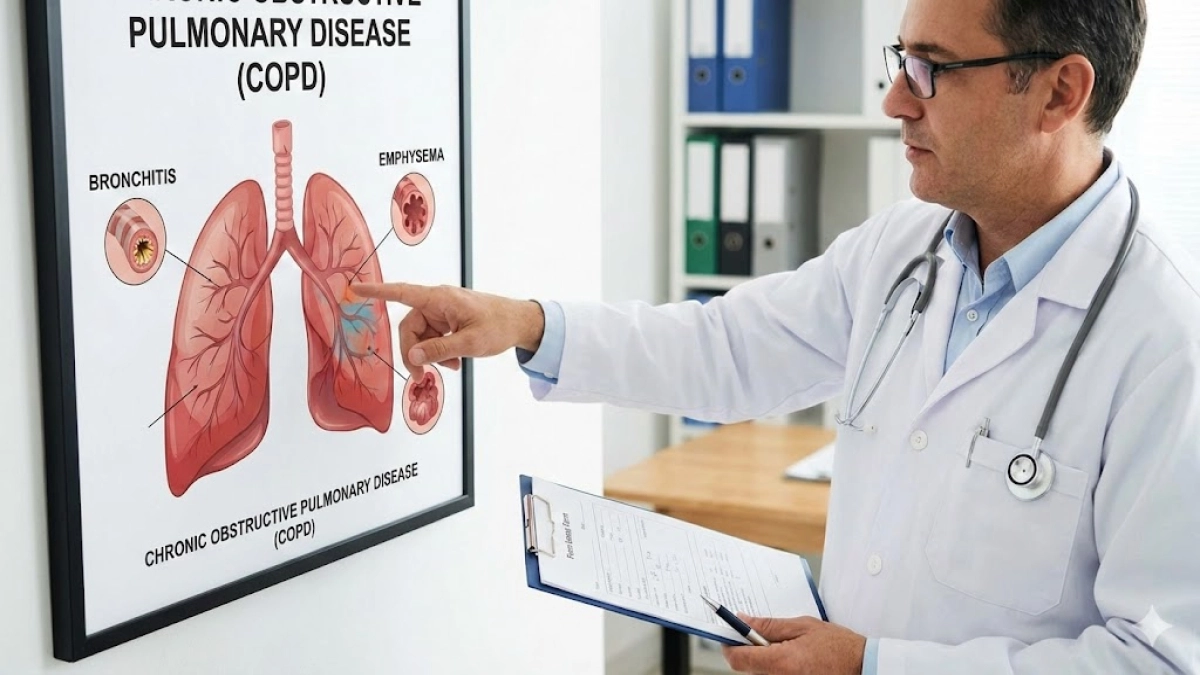
COPD, or chronic obstructive pulmonary disease, is a progressive lung disease that makes it hard to breathe. It is characterized by chronic obstruction of airflow in the lungs, making it difficult to expel air fully. According to industry experts, COPD encompasses several conditions, including emphysema and chronic bronchitis. It’s important to understand that COPD is an umbrella term, and both emphysema and chronic bronchitis fall under it. I usually explain it to my patients like this to avoid confusion.
Common Causes of COPD
The most common cause of COPD is smoking, but long-term exposure to other lung irritants such as air pollution, chemical fumes, or dust can also contribute. Causes of COPD can also include genetic factors, such as alpha-1 antitrypsin deficiency, although this is less common. In my experience, many people with COPD are former smokers who didn’t realize the long-term damage they were inflicting on their lungs. If you have a family history of COPD, it’s extra important to avoid lung irritants.
Symptoms of COPD
Symptoms of COPD can vary from mild to severe and often worsen over time. The most common symptom is shortness of breath, especially during physical activity. Other symptoms of COPD include chronic cough, wheezing, chest tightness, and increased mucus production. Have you ever noticed that some days are better than others when it comes to your breathing? That’s because COPD symptoms can fluctuate based on environmental factors and infection. It’s important to track your symptoms to help your doctor tailor your treatment plan.
Understanding Emphysema
What is Emphysema?
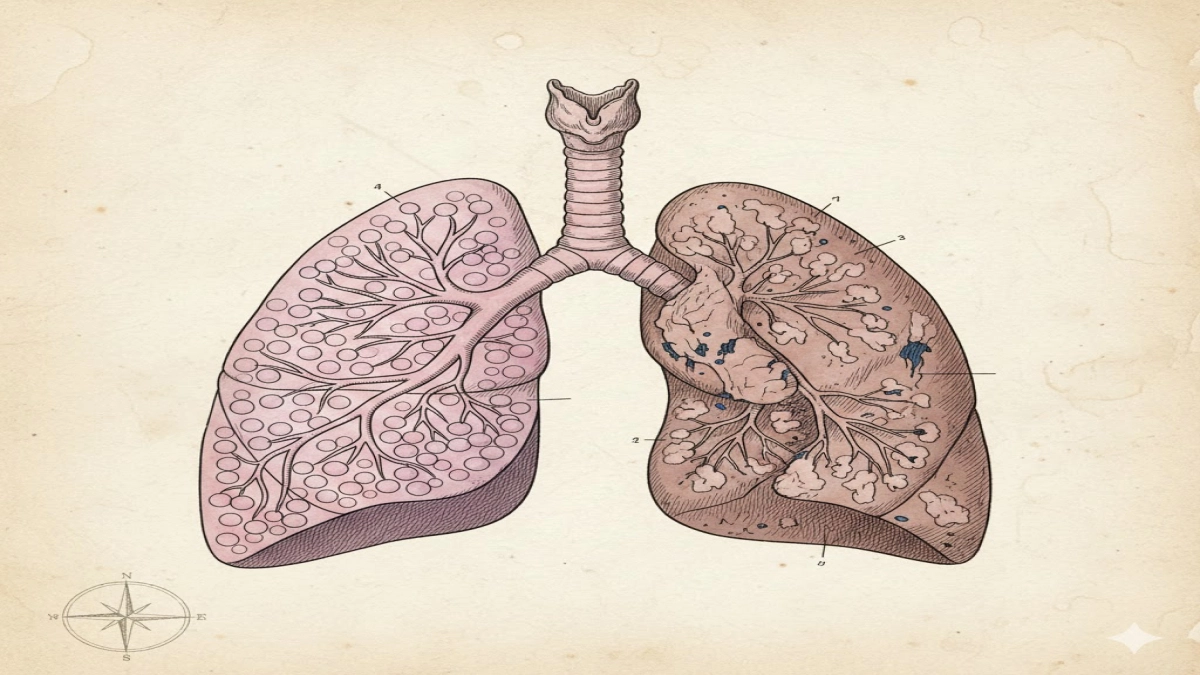
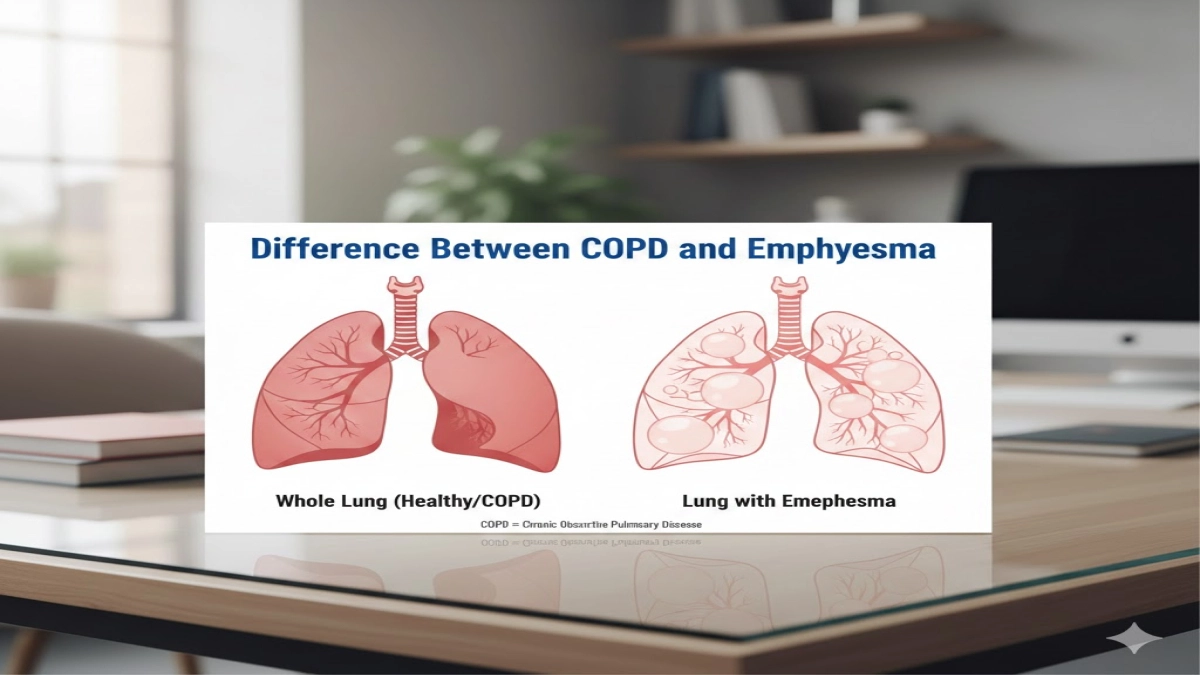
Emphysema is a chronic lung condition and a type of COPD that primarily affects the air sacs in the lungs, known as alveoli. In individuals with emphysema, these air sacs become damaged and lose their elasticity. This damage leads to hyperinflation of the lungs, making it difficult to exhale air effectively. Think of it like this: healthy air sacs are like tiny balloons that easily inflate and deflate, but in emphysema, they become stretched out and floppy, trapping air inside. According to industry experts, emphysema is one of the major conditions falling under the umbrella of COPD.
Causes of Emphysema
The primary cause of emphysema is smoking, but long-term exposure to other irritants such as air pollution, chemical fumes, and dust can also contribute to the development of emphysema. Less commonly, a genetic deficiency in alpha-1 antitrypsin can lead to emphysema. I once knew a patient who had never smoked but developed emphysema due to prolonged exposure to industrial pollutants at his workplace. In my experience, the best way to slow disease progression is to avoid lung irritants entirely, regardless of the cause of emphysema.
Symptoms of Emphysema
The most common symptom of emphysema is shortness of breath, especially during physical activity. Other symptoms include chronic coughing, wheezing, chest tightness, and increased mucus production. Emphysema symptoms often overlap with those of COPD. Have you ever wondered why people with emphysema often have a barrel-shaped chest? It’s because the lungs become chronically overinflated due to the trapped air. Therefore, it’s important to manage the symptoms and prevent further damage to improve quality of life.
Difference Between COPD and Emphysema
Key Differences Explained
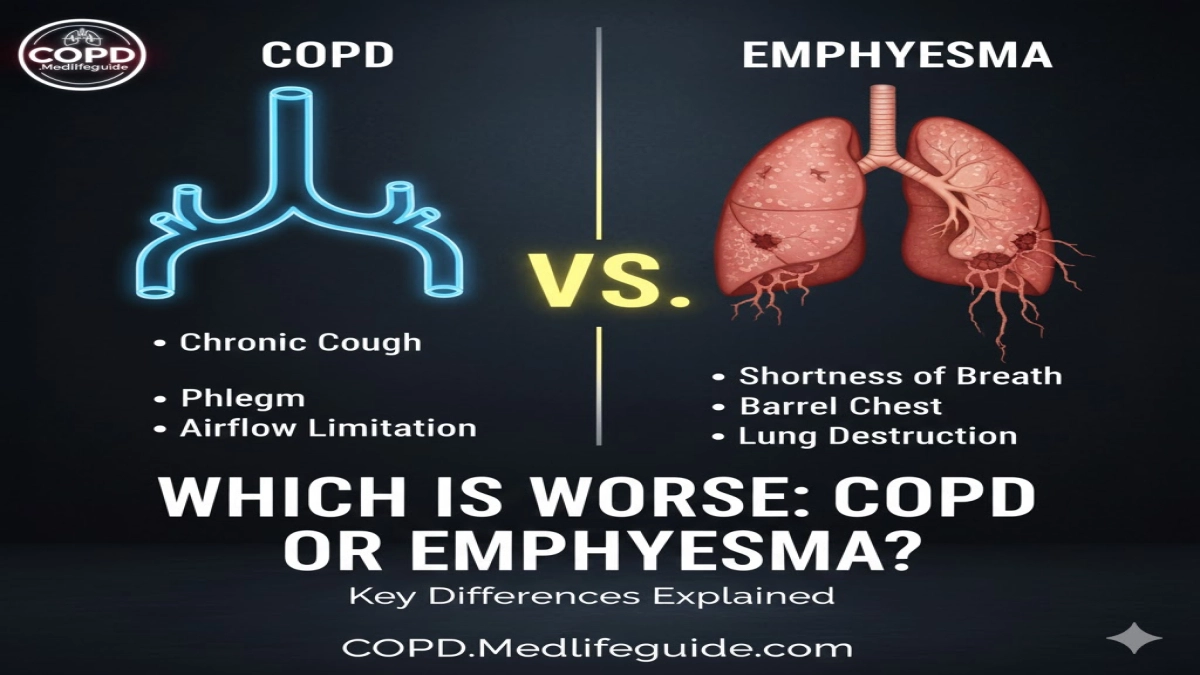
While emphysema is a type of COPD, it’s essential to understand the key differences between COPD and emphysema. COPD is an umbrella term that encompasses several lung conditions, including emphysema and chronic bronchitis, while emphysema specifically refers to damage to the air sacs in the lungs. COPD is characterized by airflow limitation, while emphysema is defined by the destruction of alveolar walls. I prefer to explain it this way: all emphysema is COPD, but not all COPD is emphysema.
Understanding the Stages of COPD
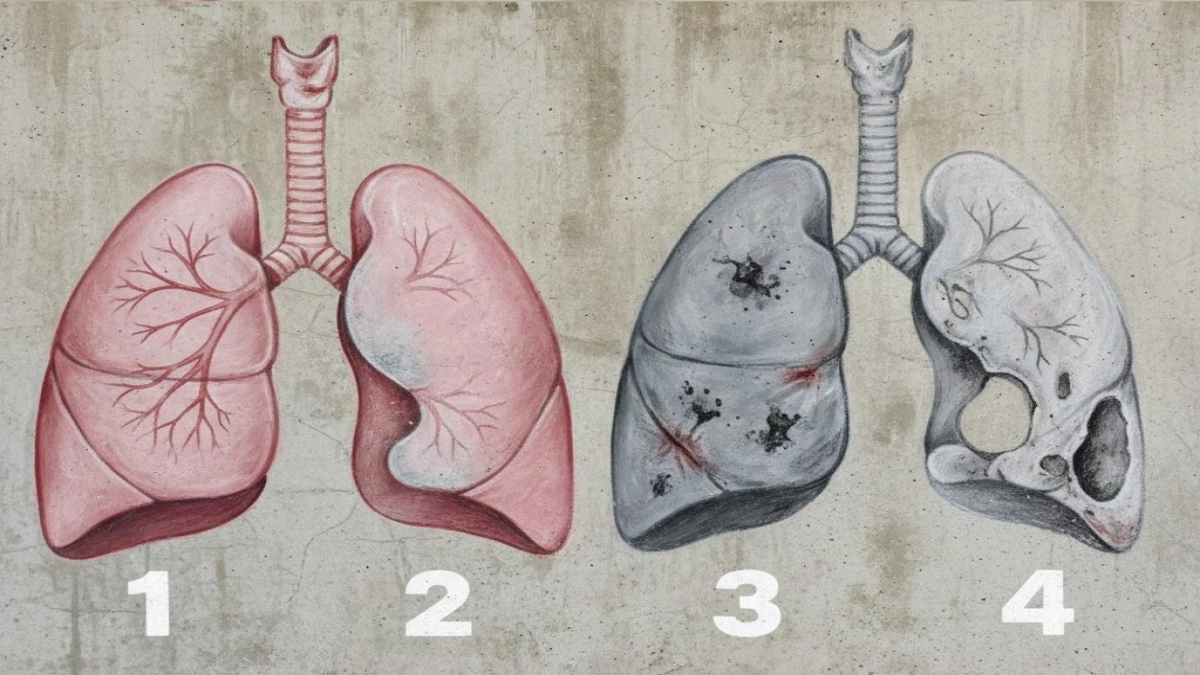
COPD is classified into stages based on the severity of airflow limitation. These stages range from mild COPD (Stage 1) to very severe COPD (Stage 4). Emphysema can occur at any stage of COPD, but it tends to worsen as the disease progresses. Stage 4 COPD patients often require oxygen therapy and experience significant limitations in their daily activities. Have you ever noticed how some patients with emphysema seem to deteriorate rapidly? That’s because the progression of COPD can vary depending on individual factors and exposure to lung irritants.
How Emphysema Fits into COPD
Emphysema fits into COPD as a distinct pathological process that contributes to airflow limitation and respiratory symptoms. People with emphysema often experience shortness of breath, coughing, and wheezing, which are also common symptoms of COPD. Many patients with emphysema have COPD and may also have chronic bronchitis. I strongly recommend a comprehensive evaluation, which includes pulmonary function tests and imaging studies, to determine the specific contributions of emphysema and other components of COPD in each individual patient.
Stages of COPD
Stage 1: Mild COPD
In Stage 1, or mild COPD, individuals may not even realize they have a lung condition. Symptoms such as shortness of breath and coughing might be minimal, easily dismissed as occasional discomfort. It is at this stage individuals experience mild airflow limitation. However, early detection and intervention are important to slow the progression of COPD. I usually advise patients with risk factors, like smokers, to get lung function tests. Addressing the common cause of COPD early can dramatically improve the symptoms and prevent further damage.
Stage 2: Moderate COPD
Stage 2, or moderate COPD, is characterized by a noticeable increase in shortness of breath, especially during physical activity. Chronic coughing and increased mucus production become more persistent issues. Many people with COPD are diagnosed at this stage, as symptoms become too bothersome to ignore. According to industry experts, individuals at this stage benefit from pulmonary rehabilitation and bronchodilators to improve symptoms. Have you ever noticed that some days are worse than others in Stage 2? It’s important to monitor and manage flare-ups to maintain quality of life.
Stage 3: Severe COPD
As COPD advances to Stage 3, or severe COPD, symptoms become debilitating. Severe shortness of breath makes everyday activities challenging, and individuals often experience frequent flare-ups. Lung damage is more extensive. At this point, patients with emphysema have COPD and may require oxygen therapy to maintain adequate oxygen levels. In my experience, patients in Stage 3 need a comprehensive management plan, including medication, lifestyle changes, and sometimes, surgical options. I’ve seen that consistent adherence to treatment can significantly improve symptoms.
Stage 4: Very Severe COPD
Stage 4, or very severe COPD, represents the most advanced stage of the disease. At this stage, COPD symptoms are chronic and debilitating, significantly impairing quality of life. Individuals often require continuous oxygen therapy and may experience life-threatening exacerbations. Patients with emphysema experience severe emphysema. Patients with emphysema have COPD and may require a lung transplant. According to industry experts, palliative care becomes an important aspect of management in stage 4 COPD. You might be wondering about life expectancy at this stage; it varies, but comprehensive support can improve comfort.
Life Expectancy and Quality of Life

Impact of COPD on Life Expectancy
The diagnosis of COPD, including emphysema, inevitably raises concerns about life expectancy. Life expectancy for people with COPD varies widely depending on disease severity, age, overall health, and adherence to treatment. Emphysema, as a type of COPD, contributes to reduced lung function, further affecting prognosis. According to industry experts, early diagnosis, lifestyle modifications, and consistent medical management can slow the progression of COPD and improve overall life expectancy. In my experience, patients who actively participate in their care tend to have better outcomes, thus affecting life expectancy positively.
Managing Symptoms for Better Quality of Life
While there may not be a cure for emphysema or COPD, managing symptoms can significantly improve quality of life. Strategies for symptom management include bronchodilators, inhaled corticosteroids, pulmonary rehabilitation, and oxygen therapy. People with COPD can also benefit from lifestyle changes such as quitting smoking, maintaining a healthy diet, and engaging in regular exercise. I always recommend pulmonary rehabilitation to my patients; it’s amazing how much it can improve their ability to breathe and stay active. Have you ever noticed how much better you feel after a good walk, even with COPD symptoms?
Real-World Examples of Living with COPD and Emphysema
Consider Mrs. Johnson, diagnosed with emphysema, a form of COPD, at age 60. By quitting smoking and actively participating in a pulmonary rehab program, Mrs. Johnson managed her symptoms effectively, maintaining a good quality of life well into her 80s. Then there’s Mr. Davis, whose COPD progressed rapidly due to continued smoking and poor adherence to medical advice; he faced significant limitations in his daily activities and decreased life expectancy. These real-world examples highlight the importance of proactive management of COPD, including emphysema, in determining quality of life and overall prognosis. Therefore, it’s crucial to follow medical advice.
Practical Tips for Patients
Recommendations for Managing Symptoms
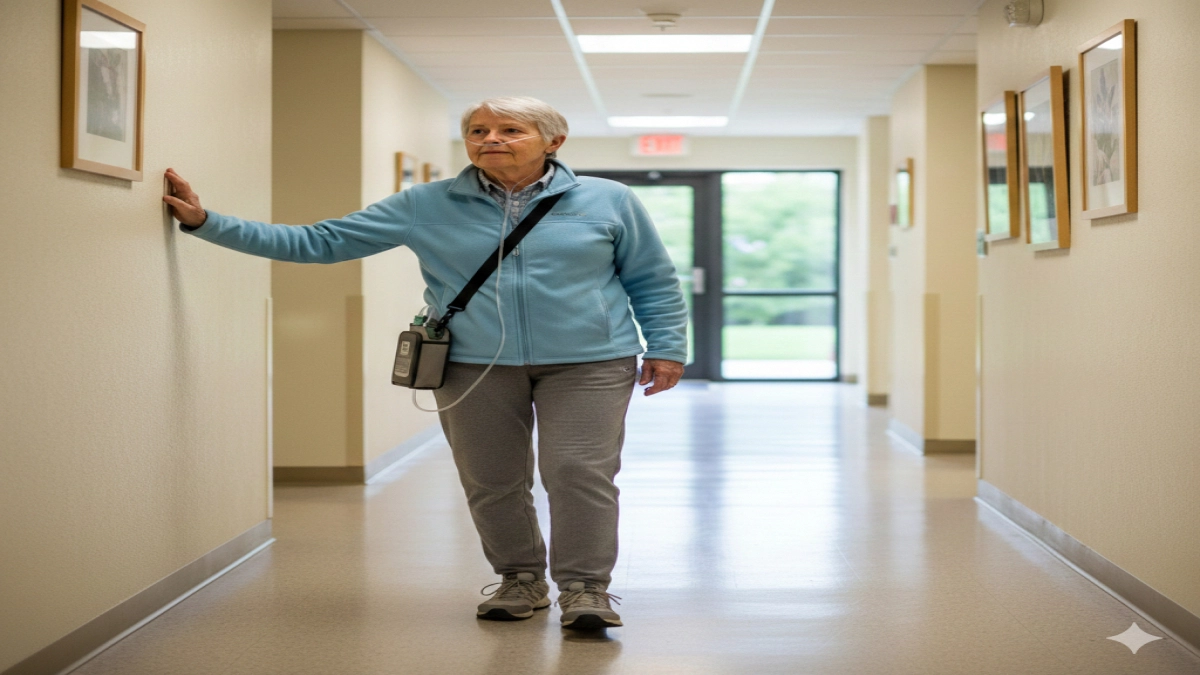
To effectively manage COPD symptoms, several strategies can be employed. These include:
- Adhering to prescribed medications.
- Quitting smoking and avoiding lung irritants.
Furthermore, practice pursed-lip breathing to ease shortness of breath. Regularly monitor your oxygen levels and report any changes to your healthcare provider. Maintain a healthy weight and stay active with exercises tailored to your lung condition. I strongly recommend joining a support group; sharing experiences with others can be incredibly helpful. Instead of waiting for symptoms to worsen, proactively manage your condition to improve your quality of life and slow disease progression.
Common Mistakes to Avoid
Here are some common pitfalls to avoid when managing COPD. These actions can significantly undermine your treatment efforts:
- Neglecting to quit smoking, as this continues to harm your lungs.
- Failing to adhere to prescribed medications, which leads to uncontrolled symptoms.
- Avoiding exercise, which further weakens respiratory muscles.
- Ignoring early warning signs of exacerbations, potentially leading to serious complications.
Avoid these mistakes by actively participating in your care and seeking timely medical attention. Have you ever noticed how tempting it is to skip medication when you feel okay? Consistent adherence is key.
Tools and Resources for COPD Management
Here are several resources that can be valuable in managing COPD.
- Pulmonary rehabilitation programs offer supervised exercise and education.
- Mobile apps can help track symptoms and medication adherence.
- Online support groups provide a community for sharing experiences and advice.
- Organizations like the American Lung Association offer educational materials and resources for patients and caregivers.
Most billing managers agree that utilizing these resources can significantly improve outcomes for people with COPD, including emphysema. Therefore, I strongly recommend exploring all available options to find what works best for you.
References
-
Global Initiative for Chronic Obstructive Lung Disease (GOLD).
Global Strategy for the Diagnosis, Management, and Prevention of COPD.
GOLD Reports 2024–2025 Update. -
World Health Organization (WHO).
Chronic Obstructive Pulmonary Disease (COPD): Key Facts.
WHO, Geneva. -
Centers for Disease Control and Prevention (CDC).
COPD: Causes, Risk Factors, and Symptoms.
National Center for Chronic Disease Prevention and Health Promotion. -
Salvi S, Barnes PJ.
Chronic obstructive pulmonary disease in non-smokers.
Medical Disclaimer
Information on this website is for general education only. It is not medical advice.
The content on COPD.MEDLIFEGUIDE is written to help people understand COPD and other breathing conditions in a clear and simple way. It is not a substitute for professional medical care, diagnosis, or treatment.
Always talk to a licensed healthcare provider for personal medical concerns.
Do not ignore symptoms or delay getting help because of something you read on this site. If you think you may be having a medical emergency, call your local emergency number right away.
Leave a Reply