Living with COPD: 7 Foods to Avoid for Lung Health

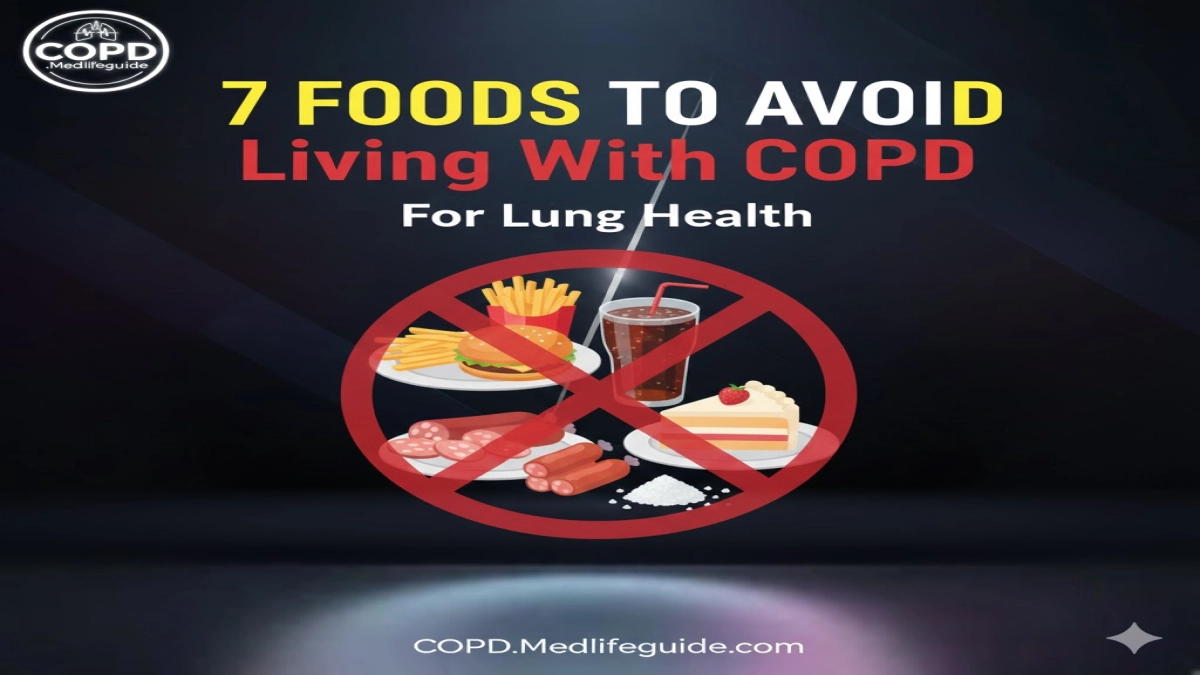
Chronic Obstructive Pulmonary Disease (COPD) presents significant challenges, and while medical treatments are crucial, understanding the role of nutrition is equally vital for managing COPD and improving the quality of life for people living with COPD. This article will delve into the connection between your diet and lung health, highlighting 7 foods to avoid, so you can breathe easier and manage your symptoms more effectively.
Understanding COPD and Its Nutritional Needs

What is Chronic Obstructive Pulmonary Disease?
Chronic Obstructive Pulmonary Disease, or COPD, is a progressive lung disease that makes breathing more difficult. It encompasses conditions like emphysema and chronic bronchitis, which obstruct airflow in the lungs. People with COPD often experience shortness of breath, wheezing, and chronic cough. The American Lung Association notes that COPD is a major cause of disability and the third leading cause of death in the United States. The severity of COPD symptoms can vary, but it generally worsens over time. Because COPD affects lung function, it’s crucial to understand how certain foods can exacerbate or alleviate these symptoms.
The Importance of Nutrition in COPD Management
Nutrition plays a pivotal role in managing COPD. A healthy diet can help improve lung health, reduce inflammation, and boost the immune system, aiding in the fight against respiratory infections. Conversely, poor nutritional choices can worsen COPD symptoms, making breathing even more difficult. Maintaining a healthy weight is particularly important; being overweight can put extra strain on your lungs and diaphragm, while being underweight can weaken respiratory muscles. A registered dietitian can provide personalized advice on how to achieve and maintain a healthy weight while ensuring you get all the necessary nutrients in your diet.
How Diet Can Help Improve Lung Health
A COPD-friendly diet focuses on foods that support lung function and reduce the strain on your respiratory system. Certain foods can increase carbon dioxide production, making breathing more labored for people with COPD. By choosing foods that are nutrient-dense and easy to digest, you can help manage COPD symptoms and improve your overall health. For instance, opting for complex carbohydrates over simple carbohydrates can provide sustained energy without burdening your lungs. According to industry experts, prioritizing fiber-rich foods like fruits and vegetables aids digestion and prevents constipation, which can also impact breathing. It’s all about making informed choices about the food you eat.
Foods to Avoid for Better Lung Health

1. Fried Foods: The Hidden Culprits
Fried foods, while tempting, are often high in unhealthy fats, particularly trans fats, which can negatively impact your lung health and exacerbate COPD symptoms. These fats can increase inflammation throughout the body, including in the lungs, making breathing more difficult for people with COPD. Many fried foods are also calorie-dense, which can contribute to weight gain. Being overweight puts additional strain on the diaphragm and respiratory muscles, further compromising lung function. Instead of fried options, consider baking, grilling, or steaming your food. These methods preserve the nutrient content of the food you eat while minimizing unhealthy fats.
2. Simple Carbohydrates: Quick Energy, Quick Trouble
Simple carbohydrates, found in foods like white bread, pastries, and sugary snacks, can cause a rapid spike in blood sugar levels, followed by a crash. This can lead to increased carbon dioxide production, making breathing more difficult, especially for people with COPD. Complex carbohydrates, such as whole grains, fruits, and vegetables, provide a more sustained release of energy and are a good source of fiber, which aids in digestion and helps maintain a healthy weight. According to the American Lung Association, choosing complex carbs over simple carbs can help manage COPD symptoms and support overall health. Always check the labels and avoid foods with high sugar content.
3. High-Sodium Foods: The Impact on Blood Pressure
High-sodium foods can lead to fluid retention, which can increase blood pressure and put extra strain on your heart and lungs. This is particularly problematic for people with COPD, as it can worsen shortness of breath and make breathing more difficult. Processed foods, canned soups, and fast food are often loaded with sodium. Reading nutrition labels carefully and opting for low-sodium alternatives is crucial. Instead, season your food with herbs and spices to add flavor without the harmful effects of excess sodium. People living with COPD should aim to maintain a low-sodium diet to help manage their symptoms and improve their lung function.
4. Processed Meats: What You Need to Know
Processed meats like bacon, sausage, and deli meats are often high in sodium and preservatives, which can negatively impact your health and potentially worsen COPD symptoms. The high sodium content can lead to fluid retention and increased blood pressure, straining the heart and lungs. Additionally, some preservatives used in processed meats may trigger inflammation in the respiratory system. Choosing lean, unprocessed protein sources such as poultry, fish, or beans is a healthier alternative. These foods provide essential nutrients in your diet without the added risks associated with processed meats, which will help you breathe easier.
5. Dairy Products: Mucus Production Concerns
Some people with COPD find that dairy products increase mucus production, which can exacerbate coughing and make breathing more difficult. However, this effect varies from person to person. If you notice that dairy products worsen your COPD symptoms, consider limiting your intake or exploring dairy-free alternatives like almond milk, soy milk, or coconut milk. Dairy products are a good source of calcium and vitamin D, so if you eliminate them from your diet, ensure you get these nutrients from other sources. Talk to your doctor or a registered dietitian to determine the best approach for your individual needs to help manage COPD.
6. Sugary Beverages: The Effects on Your Lungs
Sugary beverages like soda, juice, and sweetened teas provide empty calories and can contribute to weight gain, which puts extra strain on your lungs and diaphragm. They can also cause blood sugar spikes, leading to increased carbon dioxide production and making breathing more difficult for people with COPD. Opt for water, unsweetened tea, or infused water instead. These beverages hydrate your body without adding unnecessary sugars or calories. Avoiding sugary drinks is a simple yet effective way to support your lung health and help manage COPD symptoms and is one of the foods to avoid with COPD.
7. Alcohol: Risks for COPD Patients
Alcohol can depress the respiratory system, making breathing more difficult for people living with COPD. It can also interact with certain medications, potentially leading to adverse effects. In addition, excessive alcohol consumption can weaken the immune system, increasing the risk of respiratory infections. If you have COPD, it’s essential to consume alcohol in moderation or avoid it altogether. Talk to your healthcare provider about the potential risks and interactions with your medications. For many people with COPD may find that eliminating alcohol from their diet improves their overall health and helps them breathe easier. Pulmonary rehabilitation can help with managing copd.
Practical Tips for a Healthy COPD Diet

Choosing the Right Foods to Support Lung Health
Choosing the right foods is paramount when crafting a healthy COPD diet. Emphasize nutrient-rich options that support lung health without exacerbating COPD symptoms. Lean proteins, complex carbohydrates like whole grains, and an abundance of fruits and vegetables should be staples. These foods like berries and leafy greens are good source of antioxidants and fiber, which can help manage inflammation and promote digestive health, ultimately easing the strain on your diaphragm. Remember, a well-nourished body is better equipped to combat lung disease and reduce the risk of COPD complications. According to the American Lung Association, paying close attention to what you eat when you have COPD is just as important as medical treatments.
How to Breath While Eating: Techniques to Try
Proper breathing techniques while eating can significantly alleviate shortness of breath for people with COPD. Try pursed-lip breathing, which involves inhaling through your nose and exhaling slowly through pursed lips, to slow down your breathing rate and release trapped air in your lungs. Eating smaller, more frequent meals can also prevent your stomach from becoming too full, which could press against your diaphragm and make breathing more difficult. Sitting upright with good posture further optimizes lung function and allows for fuller breaths. It’s a simple yet effective strategy to help manage COPD and improve comfort during meals. I often recommend that my patients practice these techniques to reduce meal-related breathing discomfort.
Real-World Examples: Success Stories from COPD Patients
Consider the story of Mary, a person living with COPD who transformed her overall health by adopting a COPD-friendly diet. She eliminated fried foods and simple carbohydrates, focusing instead on lean proteins and plenty of fruits and vegetables. Over time, Mary noticed a significant reduction in her COPD symptoms and found it easier to breathe easier. Then there’s John, another person living with COPD, who worked closely with a registered dietitian to create a healthy diet that limited sodium. He no longer suffers as many respiratory infections. These real-world examples highlight the profound impact that nutritional choices can have on the quality of life for people living with COPD. As experts advise, dietary changes are a critical component in managing COPD.
Conclusion: Maintaining a Healthy Diet with COPD

Long-term Benefits of Proper Nutrition
Adopting a healthy COPD diet offers numerous long-term benefits for people living with COPD. By prioritizing nutrient-rich foods like fruits and vegetables, lean proteins, and complex carbohydrates while avoiding foods to avoid with COPD such as fried foods and excessive sodium, individuals can significantly improve their lung health. A balanced diet can help manage COPD by reducing inflammation, boosting the immune system, and minimizing COPD symptoms such as shortness of breath. Furthermore, maintaining a healthy weight through proper nutritional choices can ease the strain on your diaphragm and improve lung function.
Choosing what you eat when you have COPD is important because good nutrition and COPD can prevent respiratory infections, enhance energy levels, and promote overall health. Over time, these benefits can lead to a better quality of life and reduced reliance on medications, while avoiding the risk of COPD complications. Consulting with a registered dietitian can provide personalized guidance to ensure people with COPD receive the nutrients in your diet they need to thrive.
Encouragement for COPD Patients and Caregivers
For people living with COPD and their caregivers, remember that small, consistent changes in the food you eat can make a significant difference in managing COPD. Start by gradually incorporating more foods like colorful fruits and vegetables and lean proteins into your meals, while consciously limiting foods to avoid such as simple carbohydrates and foods that contain trans fats. Be patient with yourself and celebrate each milestone along the way. Remember, that while dietary changes can help you breathe easier, it’s a lifestyle change. Focus on the positive impacts of your choices, such as reduced shortness of breath and increased energy.
Seek support from healthcare professionals, support groups, and loved ones to stay motivated and informed. The American Lung Association offers valuable resources and guidance for both people with COPD and their caregivers. With determination and the right support, people with COPD may find that maintaining a healthy COPD diet can enhance their well-being and empower them to live fuller, more active lives. Don’t hesitate to talk to your doctor or healthcare provider for personalized advice, or if you’re experiencing breathing difficulties.
Questions to Reflect On: Your Dietary Choices
As you navigate living with COPD, take some time to reflect on your current dietary choices. Are there any foods to avoid that you consume regularly? How might those choices be impacting your COPD symptoms and lung health? Consider whether you’re getting enough fiber and nutrient-rich foods in your diet. Are you mindful of your sodium and fat intake? By asking yourself these questions, you can gain a deeper understanding of the connection between what you eat when you have COPD and your overall health.
Think about what specific changes you can make to improve your nutritional habits and help manage COPD. Are you ready to commit to limiting fried foods, trans fats, sugary beverages, and processed meats? Can you prioritize complex carbohydrates and lean proteins? Remember, every positive change you make is a step towards managing COPD and improving your quality of life. If you need a bit of help, pulmonary rehabilitation may be an option.
References
-
Global Initiative for Chronic Obstructive Lung Disease (GOLD).
Global Strategy for the Diagnosis, Management, and Prevention of COPD.
GOLD Reports 2024–2025 Update. -
World Health Organization (WHO).
Chronic Obstructive Pulmonary Disease (COPD): Key Facts.
WHO, Geneva. -
Centers for Disease Control and Prevention (CDC).
COPD: Causes, Risk Factors, and Symptoms.
National Center for Chronic Disease Prevention and Health Promotion. -
Salvi S, Barnes PJ.
Chronic obstructive pulmonary disease in non-smokers.
Medical Disclaimer
Information on this website is for general education only. It is not medical advice.
The content on COPD.MEDLIFEGUIDE is written to help people understand COPD and other breathing conditions in a clear and simple way. It is not a substitute for professional medical care, diagnosis, or treatment.
Always talk to a licensed healthcare provider for personal medical concerns.
Do not ignore symptoms or delay getting help because of something you read on this site. If you think you may be having a medical emergency, call your local emergency number right away.
Leave a Reply