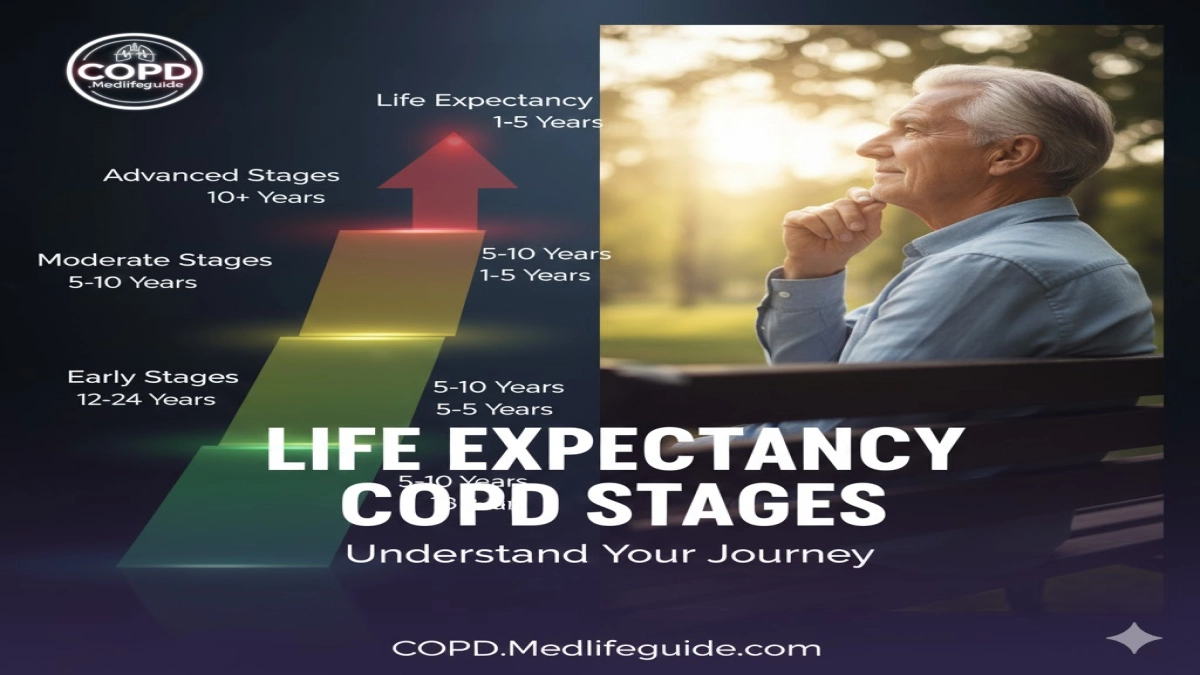
Life Expectancy COPD Stages
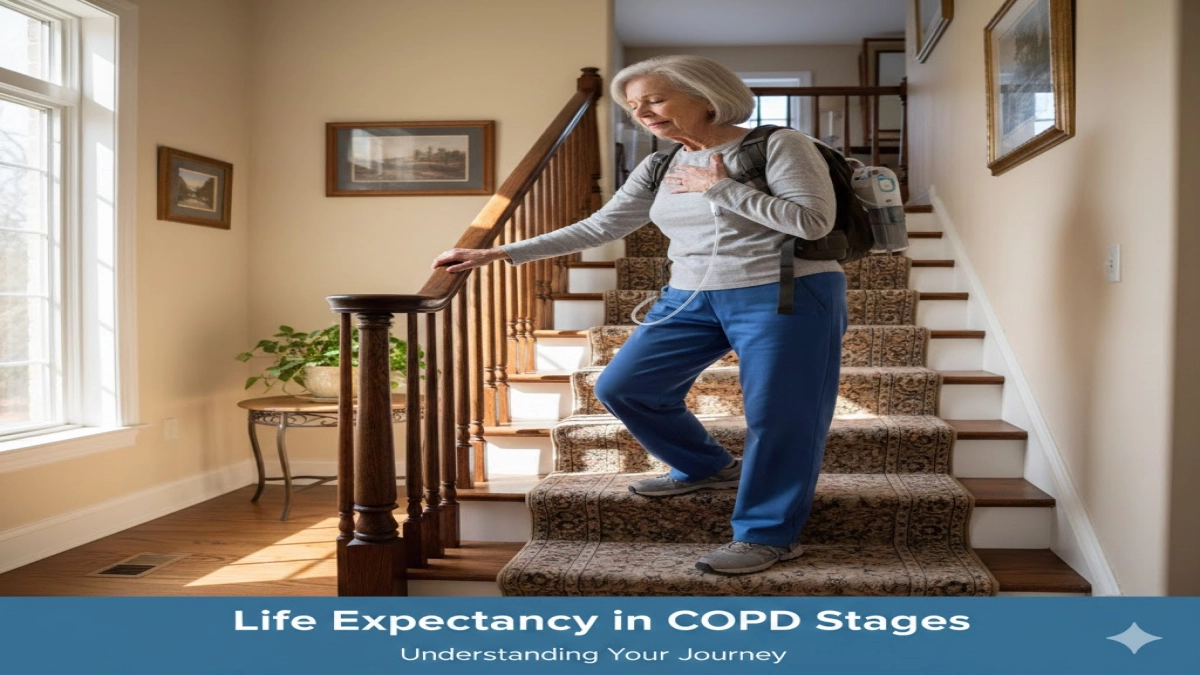
Chronic Obstructive Pulmonary Disease, or COPD, is a progressive lung disease affecting millions worldwide. Understanding COPD, its symptoms, and stages is crucial for early diagnosis and effective management. This article dives into the intricacies of COPD, offering insights into its impact on life expectancy and quality of life.
Understanding COPD
A person walking slowly along a path with a small oxygen tank
What is Chronic Obstructive Pulmonary Disease?
Chronic Obstructive Pulmonary Disease (COPD) is considered a long-term, progressive lung disease that obstructs airflow, making it difficult to breathe. This umbrella term encompasses conditions like chronic bronchitis and emphysema. COPD is a progressive disease, meaning it typically worsens over time. The airways in the lungs become inflamed and narrowed, leading to breathing difficulties. It’s not just one single disease but rather a collection of lung conditions that often coexist.
Common COPD Symptoms
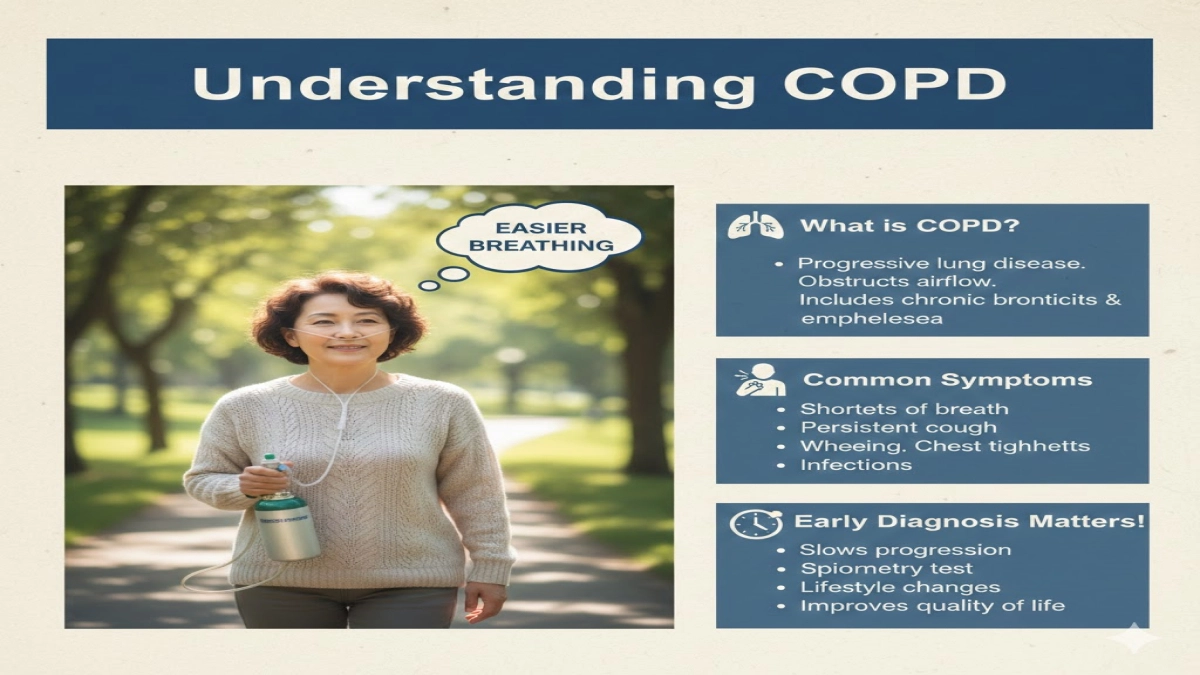
COPD symptoms often develop gradually. One of the most common COPD symptoms is shortness of breath, especially during physical activity. Other symptoms include a persistent cough, often with mucus production, wheezing, chest tightness, and frequent respiratory infections like pneumonia. As the disease progresses, these symptoms can become more severe and debilitating. I remember when my grandfather was first diagnosed with COPD; he initially dismissed his persistent cough as a smoker’s cough, only to later realize it was a sign of something more serious.
Early Diagnosis and Its Importance
Early diagnosis of COPD is crucial because it allows for timely intervention to slow the progression of COPD. Diagnosing COPD involves lung function tests, such as spirometry, to assess the severity of airflow obstruction. The earlier people with COPD are diagnosed, the more effectively treatment options for stage 1 can be implemented. Early intervention, including lifestyle changes like quitting smoking and medication like bronchodilator inhalers, can significantly improve life expectancy. It gives people with COPD a chance to take control of their health and improve their quality of life before the disease reaches later stages.
The Four Stages of COPD
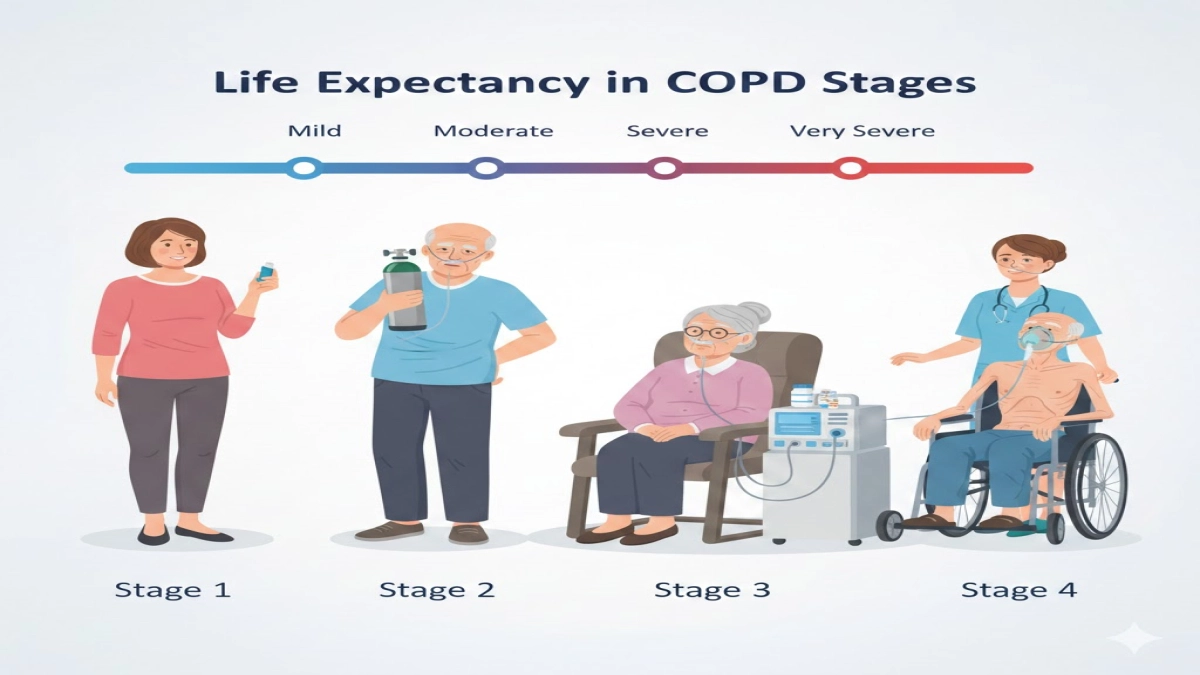
Overview of the Four Stages
COPD is classified into four distinct stages, each characterized by varying degrees of airflow limitation and COPD symptoms. These four stages, as defined by the Global Initiative for Chronic Obstructive Lung Disease (GOLD), help healthcare professionals determine what stage of copd the patient is in and guide treatment decisions. Understanding these four stages of COPD is essential for managing the disease effectively and improving the quality of life for people with COPD.
For Detailed Stages of COPD Read this article : COPD Stages in 2025: What Each Stage Really Means for Your Life
Stage 1: Mild COPD
Stage 1 COPD is the mildest form, often marked by a forced expiratory volume in one second (FEV1) that is 80% or more of the predicted normal value. COPD symptoms at this stage may be subtle, such as a mild cough or shortness of breath, especially during exertion. Many individuals at this stage may not even realize they have COPD and therefore remain undiagnosed with COPD. Early intervention at stage 1 can significantly slow the progression of COPD and improve life expectancy, emphasizing the importance of diagnosis of COPD.
Stage 2: Moderate COPD
Stage 2 COPD is characterized by moderate airflow limitation, with FEV1 between 50% and 79% of the predicted normal value. Shortness of breath becomes more noticeable, and COPD symptoms like coughing and wheezing may increase. People with COPD in stage 2 may experience more frequent respiratory infections. This is the stage where people with COPD often seek medical attention due to worsening symptoms, leading to diagnosis and treatment options for stage 2. Bronchodilator inhalers may be prescribed to help open up the airways and ease breathing.
Stage 3: Severe COPD
Stage 3 COPD is classified as severe airflow limitation, with FEV1 between 30% and 49% of the predicted normal value. At this stage, shortness of breath significantly impacts daily activities, and exacerbations, also known as flare-ups, become more common. People with COPD in stage 3 experience a noticeable decline in their quality of life. Supplemental oxygen therapy may be necessary to maintain adequate oxygen levels. Preventing exacerbations through regular medication and lifestyle changes is crucial to improving life expectancy.
Stage 4: Very Severe COPD
Stage 4 COPD represents the most severe stage of the disease, with FEV1 less than 30% of the predicted normal value or FEV1 less than 50% with chronic respiratory failure. At this end stage COPD, lung function is severely compromised, and COPD symptoms are debilitating. COPD patients often experience frequent exacerbations requiring hospitalization. Life expectancy with COPD at stage 4 is significantly reduced, and end-of-life care considerations may become necessary. Oxygen therapy and other supportive measures aim to improve comfort and quality of life.
Life Expectancy with COPD
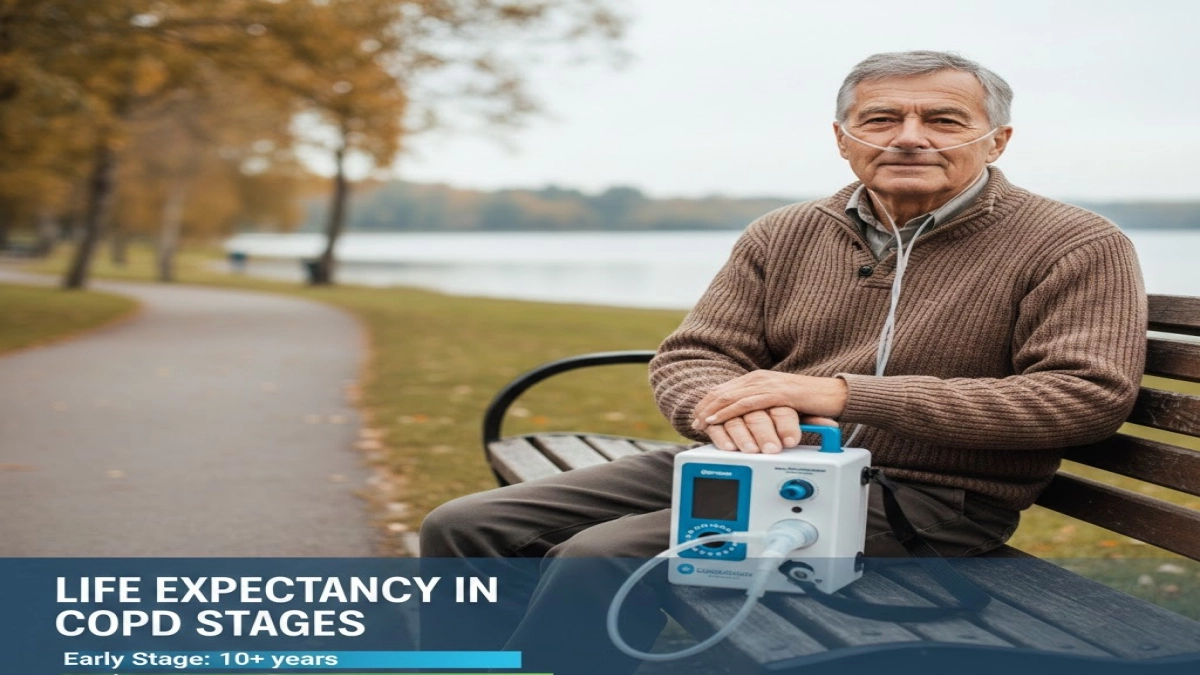
Factors Affecting Life Expectancy
Several factors influence life expectancy with COPD. The stage of COPD at diagnosis plays a significant role; naturally, those diagnosed at an earlier stage tend to have a better prognosis. The severity of airflow limitation, measured by lung function tests like FEV1, is also a critical indicator. According to industry experts, controlling exacerbations, also known as flare-ups, is vital. Each exacerbation can cause further lung damage and accelerate the progression of COPD. Additional health conditions like heart disease or diabetes can impact life span. Lifestyle factors such as whether people with COPD quit smoking and adhere to prescribed medications and oxygen therapy also significantly affect overall survival.
Statistics on Life Expectancy for Each Stage
Statistics regarding the life expectancy of someone with COPD vary depending on the stage of COPD and individual health factors. In stage 1 COPD, many people with COPD may have a near-normal life expectancy, especially with proper management and lifestyle modifications to slow the progression of COPD. As the stages advance, especially in stage 3 COPD and stage 4 COPD, life expectancy with COPD tends to decrease due to progressive lung damage and complications. For end stage COPD, the average survival may be significantly reduced, often requiring comprehensive end of life care. Remember, these are general statistics, and individual outcomes can vary.
Living with COPD: What to Expect
Living with COPD involves adapting to various challenges depending on what stage of copd a person is in. As COPD progresses, shortness of breath may increasingly limit physical activities. People with COPD often have to manage chronic cough and frequent respiratory infections. Regular use of bronchodilator inhalers and, in severe cases, oxygen therapy becomes part of daily life. Mental health support is also important, as living with a chronic lung disease like COPD can lead to anxiety and depression. Early diagnosis of COPD, combined with lifestyle modifications and medical care, can significantly improve quality of life and help maintain an active and fulfilling lifestyle.
Managing COPD Symptoms and Lifestyle Changes

Effective Lifestyle Changes to Prevent COPD Exacerbations
To effectively manage COPD and prevent exacerbations, several lifestyle changes are crucial. These include:
- Quitting smoking to experience significant improvement in lung function and a higher quality of life.
- Adopting a balanced diet and regular exercise to help maintain overall health and strengthen respiratory muscles.
- Avoiding exposure to pollutants and irritants in the air to minimize airway inflammation.
- Getting regular vaccinations against the flu and pneumonia.
I often advise people with COPD to create a personalized action plan with their healthcare provider. I have noticed that small, consistent lifestyle adjustments make a big difference in the daily management of COPD.
Daily Management Strategies for COPD Patients
Effective daily management strategies can significantly improve quality of life with COPD. To effectively manage your condition, consider incorporating these strategies into your daily routine:
- Adhering to prescribed medications, such as bronchodilator inhalers, to manage COPD symptoms and improve lung function.
- Performing regular breathing exercises to help strengthen respiratory muscles and improve oxygen levels.
- Monitoring COPD symptoms and recognizing early signs of exacerbation to allow for timely intervention.
Pursed-lip breathing techniques can alleviate shortness of breath. A structured daily routine that incorporates rest periods helps conserve energy. In my experience, proactively managing COPD symptoms on a daily basis prevents severe flare-ups and hospitalizations.
Long-Term Care and Support for COPD Patients
Long-term care and support are vital for people with COPD to maintain optimal health and well-being. This often involves several key components, including:
- Regular check-ups with healthcare providers to monitor the progression of COPD and adjust treatment plans as needed.
- Pulmonary rehabilitation programs that offer exercise training, education, and support to improve lung function and quality of life.
- Support groups that provide emotional support and peer connections.
Long-term oxygen therapy may also be necessary for people with COPD with low oxygen levels. According to experts, a multidisciplinary approach involving doctors, therapists, and support networks can greatly enhance life expectancy with COPD.
End-of-Life Considerations for COPD Patients
Discussing End-of-Life Options
Discussing end-of-life options is a sensitive but essential part of advanced COPD care. As stage 4 COPD progresses, it is important for people with COPD, their families, and healthcare providers to have open and honest conversations about goals of care, preferences for medical interventions, and end of life wishes. This can include discussions about palliative care, hospice care, and advance directives like living wills. Ensuring that people with COPD’s wishes are respected and honored can provide comfort and peace of mind during this difficult time. In my experience, proactive planning alleviates anxiety and ensures that end-of-life care aligns with the person’s values and preferences.
Support Systems for Patients and Families
Support systems are crucial for both people with COPD and their families during end stage COPD.
COPD symptoms often worsen, so leaning on support systems is critical. Hospice care provides comprehensive medical, emotional, and spiritual support to people with COPD and their loved ones during the final stages of life. Counseling and support groups offer a safe space for families to share their experiences and receive guidance. Respite care provides temporary relief for caregivers, allowing them to recharge and attend to their own needs. I’ve seen firsthand how strong support networks significantly improve quality of life and ease the burden on families during this challenging time.
Planning for Advanced COPD Care
Planning for advanced COPD care involves making informed decisions about medical treatments, comfort measures, and end-of-life preferences. People with COPD should work closely with their healthcare providers to develop an individualized care plan that addresses their specific needs and goals. This may involve optimizing medication regimens, considering palliative care options, and exploring alternative therapies to manage COPD symptoms and improve quality of life. Advance care planning ensures that wishes are honored and that you receive the best possible care during the final stages of life expectancy with COPD. It may be best to work to prevent COPD rather than waiting for COPD is considered a death sentence.
References
-
Global Initiative for Chronic Obstructive Lung Disease (GOLD).
Global Strategy for the Diagnosis, Management, and Prevention of COPD.
GOLD Reports 2024–2025 Update. -
World Health Organization (WHO).
Chronic Obstructive Pulmonary Disease (COPD): Key Facts.
WHO, Geneva. -
Centers for Disease Control and Prevention (CDC).
COPD: Causes, Risk Factors, and Symptoms.
National Center for Chronic Disease Prevention and Health Promotion. -
Salvi S, Barnes PJ.
Chronic obstructive pulmonary disease in non-smokers.
Medical Disclaimer
Information on this website is for general education only. It is not medical advice.
The content on COPD.MEDLIFEGUIDE is written to help people understand COPD and other breathing conditions in a clear and simple way. It is not a substitute for professional medical care, diagnosis, or treatment.
Always talk to a licensed healthcare provider for personal medical concerns.
Do not ignore symptoms or delay getting help because of something you read on this site. If you think you may be having a medical emergency, call your local emergency number right away.
Leave a Reply