Table of Contents
ToggleQuick Summary
Chronic Obstructive Pulmonary Disease (COPD) is a long-term lung disease that blocks airflow. The most common signs are ongoing cough, shortness of breath, and mucus buildup. Diagnosis requires lung function testing, not symptoms alone. Early detection improves treatment outcomes and slows disease progression.
What Is COPD?
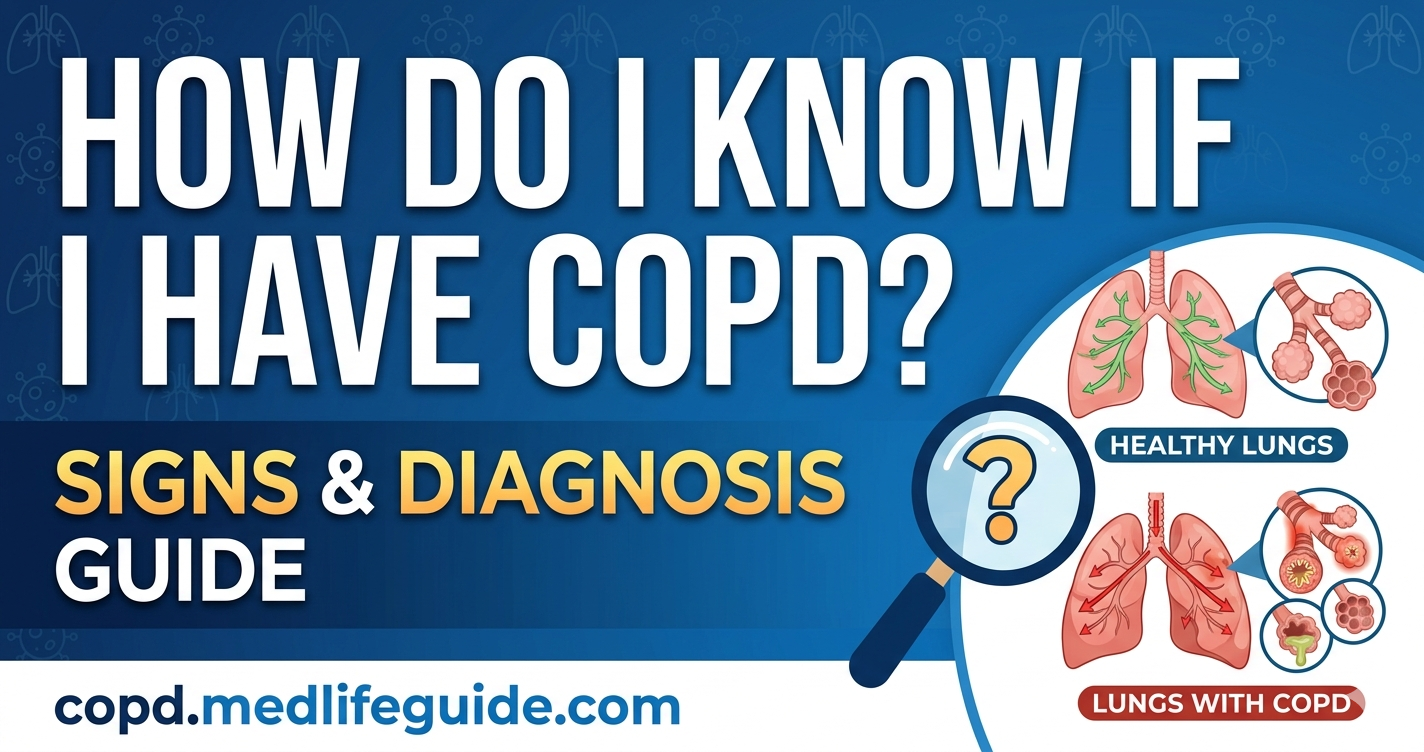
COPD is a chronic lung disease that makes it hard to breathe. It includes two main conditions:
- Chronic bronchitis: Long-term inflammation of airways with mucus
- Emphysema: Damage to air sacs in the lungs
Both conditions reduce airflow and oxygen exchange. COPD usually develops slowly over years.
How Do I Know If I Have COPD?
You cannot confirm COPD based on symptoms alone. However, certain patterns strongly suggest the condition.
Common Early Symptoms
1. Shortness of Breath
- Happens during physical activity at first
- Progresses to difficulty breathing at rest in later stages
- Often described as “air hunger” or chest tightness
2. Chronic Cough
- Lasts more than 3 months per year
- May occur daily
- Often worse in the morning
3. Excess Mucus (Phlegm)
- Thick mucus production
- Frequent throat clearing
- Yellow, white, or green sputum
4. Wheezing
- Whistling sound when breathing
- Caused by narrowed airways
5. Frequent Respiratory Infections
- Repeated colds, flu, or bronchitis
- Slow recovery from infections
Advanced Symptoms of COPD
As the disease progresses:
- Difficulty breathing during normal activities
- Fatigue due to low oxygen levels
- Weight loss (unintentional)
- Swelling in legs or ankles (advanced stage)
- Bluish lips or fingernails (low oxygen)
Who Is at Risk for COPD?
Primary Risk Factors
Smoking (Leading Cause)
- Responsible for most COPD cases
- Includes cigarettes, cigars, and pipes
Long-Term Air Pollution Exposure
- Indoor smoke (wood, coal, biomass fuel)
- Outdoor pollution in urban areas
Occupational Exposure
- Dust
- Chemical fumes
- Industrial gases
Genetic Risk
- Alpha-1 antitrypsin deficiency (rare inherited disorder)
When Should You Suspect COPD?
You should consider COPD if:
- You are over age 40
- You have a history of smoking or exposure to lung irritants
- You have persistent cough or breathing problems
Symptoms that persist or worsen over time require medical evaluation.
How Is COPD Diagnosed?
Diagnosis requires objective testing.
1. Spirometry (Primary Test)
- Measures how much air you can breathe out
- Measures how fast you can exhale
- Confirms airflow limitation
Key measurement:
- FEV1/FVC ratio less than 0.70 confirms COPD
2. Chest Imaging
- Chest X-ray or CT scan
- Helps rule out other lung diseases
- Shows lung damage in advanced cases
3. Pulse Oximetry
- Measures oxygen levels in blood
4. Arterial Blood Gas Test (Advanced Cases)
- Measures oxygen and carbon dioxide levels
COPD vs Other Conditions
Symptoms overlap with other diseases.
Asthma
- Reversible airway narrowing
- Often starts earlier in life
Heart Disease
- Can cause shortness of breath
- Often includes chest pain or swelling
Lung Infections
- Temporary symptoms
- Usually resolve with treatment
Unique Clinical Takeaways
1. Symptom Underreporting Delays Diagnosis
Patients often normalize chronic cough and breathlessness, especially smokers. Clinical studies show delayed diagnosis is common because early symptoms are mild and gradual. Early spirometry screening in high-risk individuals increases detection rates.
2. Activity Limitation Is an Early Functional Marker
Reduced ability to perform daily tasks (walking, climbing stairs) may appear before severe symptoms. Functional decline correlates with lung function loss and is a strong indicator for early evaluation.
3. Chronic Mucus Production Predicts Disease Progression
Persistent mucus (chronic bronchitis phenotype) is linked to:
- Faster lung function decline
- Increased risk of flare-ups
- Higher hospitalization rates
Monitoring sputum patterns provides useful clinical insight beyond basic symptom lists.
4. Exacerbation History Defines Severity
Frequent flare-ups (worsening symptoms requiring treatment) indicate more advanced disease, even if baseline symptoms seem moderate. This affects treatment planning and prognosis.
Stages of COPD
COPD is classified using spirometry results:
| Stage | Severity | Description |
|---|---|---|
| Mild | Stage 1 | Minor airflow limitation |
| Moderate | Stage 2 | Increased symptoms |
| Severe | Stage 3 | Frequent flare-ups |
| Very Severe | Stage 4 | Life-threatening symptoms |
Can COPD Be Reversed?
COPD cannot be cured. Lung damage is permanent.
However:
- Early treatment slows progression
- Symptoms can be controlled
- Quality of life can improve
Treatment Options
1. Lifestyle Changes
- Stop smoking (most effective intervention)
- Avoid pollutants
- Maintain physical activity
2. Medications
- Bronchodilators (open airways)
- Inhaled corticosteroids (reduce inflammation)
- Combination inhalers
3. Pulmonary Rehabilitation
- Exercise training
- Breathing techniques
- Education programs
4. Oxygen Therapy
- Used in advanced cases with low oxygen levels
When to See a Doctor
Seek medical evaluation if you have:
- Persistent cough lasting weeks or months
- Shortness of breath that worsens
- Frequent lung infections
- Mucus production that does not resolve
Early testing improves outcomes.
Prevention Strategies
- Avoid smoking
- Use protective equipment in polluted environments
- Improve indoor air quality
- Regular health check-ups for high-risk individuals
Medical Disclaimer
This content is for informational purposes only and does not replace professional medical advice, diagnosis, or treatment. Always consult a qualified healthcare provider for evaluation and care.
Leave a Reply