
Category: Understanding COPD
-
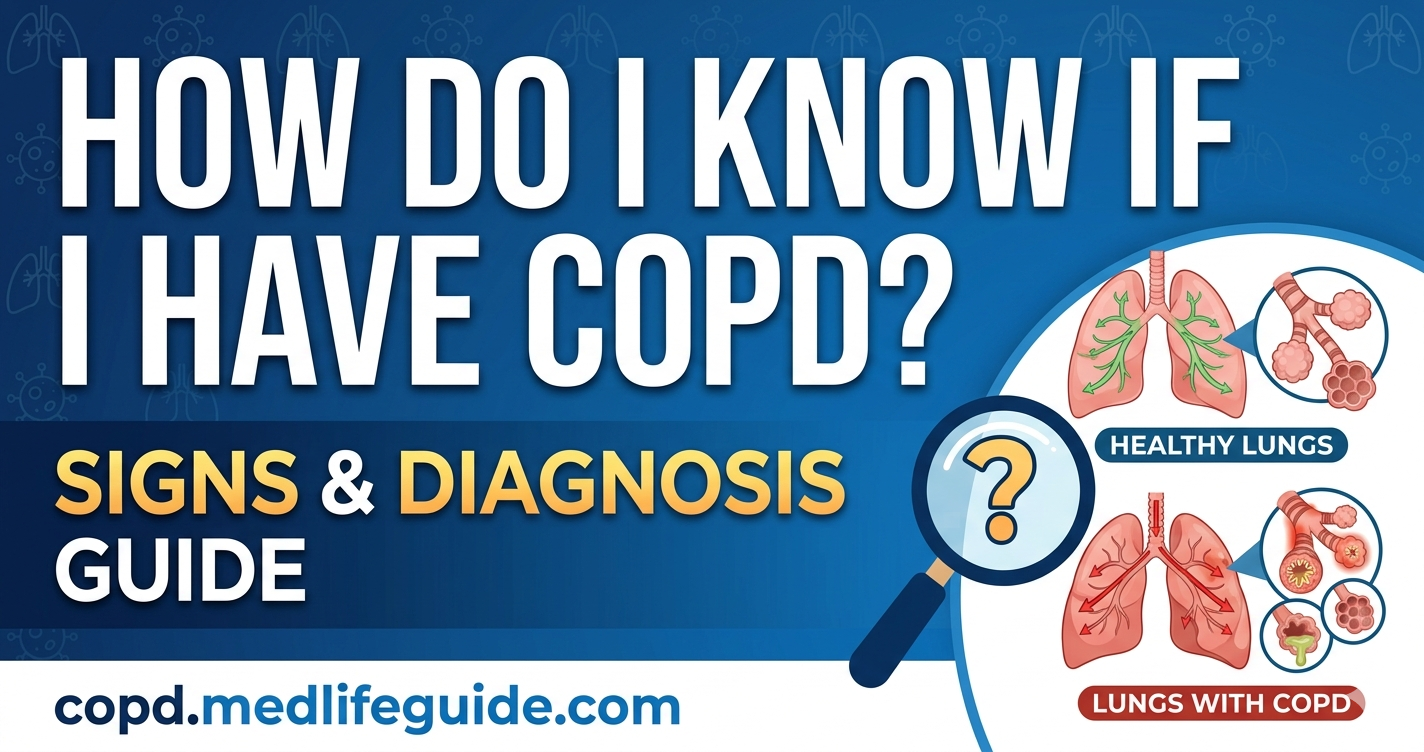
How Do I Know If I Have COPD? Early Signs Guide
Quick Summary Chronic Obstructive Pulmonary Disease (COPD) is a long-term lung disease that blocks airflow. The most common signs are ongoing cough, shortness of breath, and mucus buildup. Diagnosis requires lung function testing, not symptoms alone. Early detection improves treatment outcomes and slows disease progression. What Is COPD? COPD is a chronic lung disease that…
-
Pulmonary Hypertension Medication List: A Guide for Patients
Medically Reviewed and Compiled by Dr. Adam N. Khan, MD. Pulmonary hypertension (PH) is a serious condition where the blood pressure in your lungs is too high. This puts a lot of strain on the right side of your heart. Over time, it can make it hard to breathe or even walk short distances. The…
-
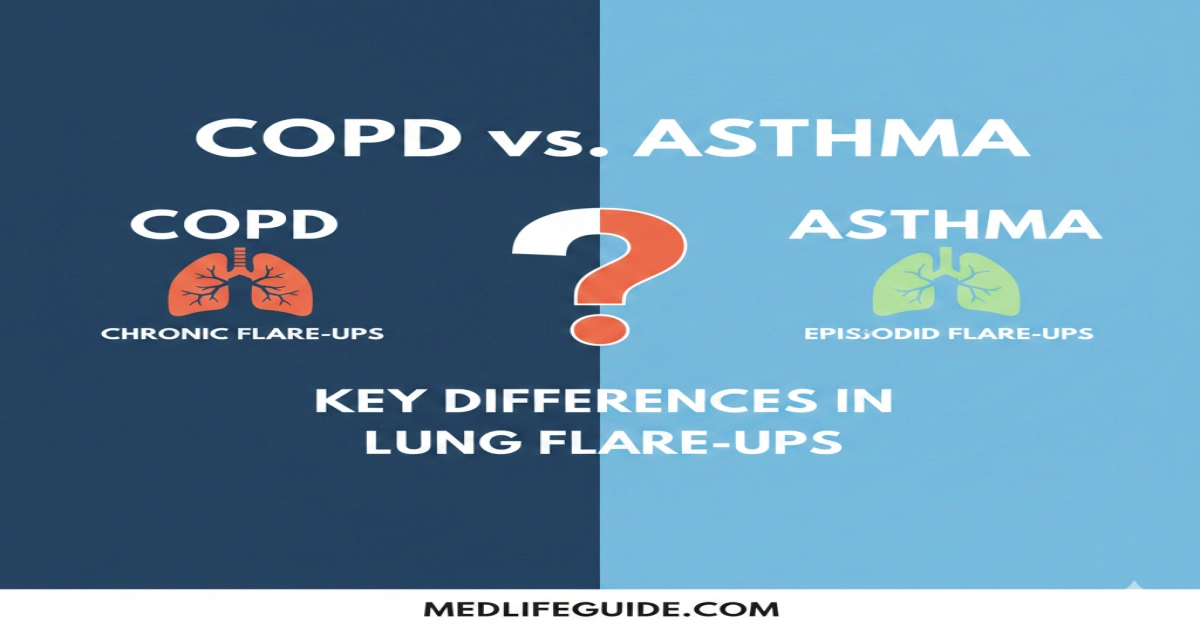
COPD Exacerbation vs. Asthma Attack: Spot the Difference
Medically Reviewed and Compiled by Dr. Adam N. Khan, MD. Quick Answer: What is the Main Difference? While both conditions make it hard to breathe, the main difference lies in recovery and cause. An asthma attack is usually a sudden reaction to a trigger (like pollen or dust), and lung function typically returns to normal…
-
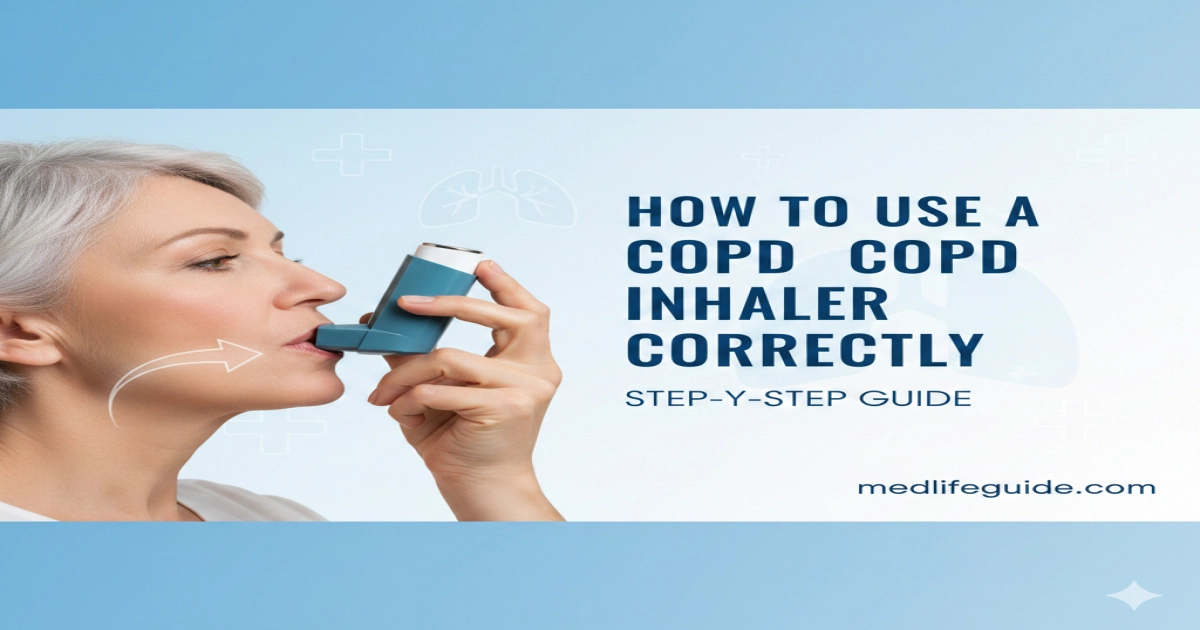
How to Prevent COPD Exacerbation at Home: A Practical Guide
Quick Answer: How to Prevent COPD Flare-Ups at Home To prevent a COPD exacerbation (flare-up) at home, you must focus on three main pillars: strictly following your medication plan, avoiding environmental triggers (like smoke, dust, and extreme cold), and preventing infections through handwashing and vaccinations. Early action is key—use a “COPD Action Plan” to spot…
-
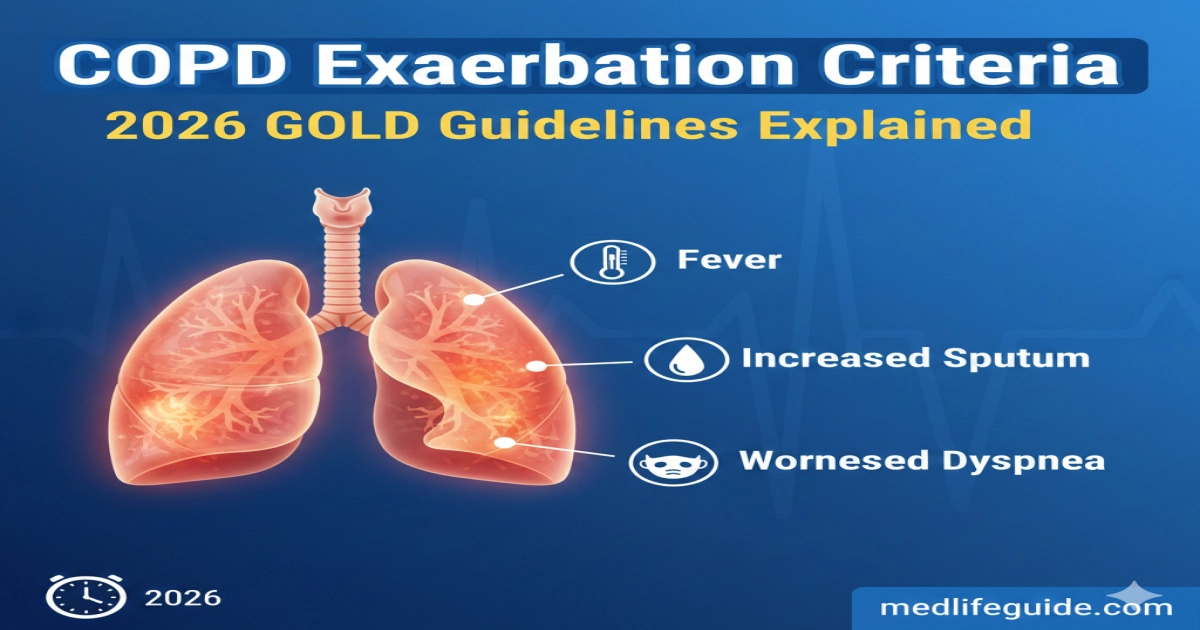
COPD Exacerbation Criteria: A Complete Guide to Flare-Ups
Medically Reviewed and Compiled by Dr. Adam N. Khan, MD. Quick Answer: A COPD exacerbation is an acute worsening of respiratory symptoms—such as shortness of breath, cough, and mucus production—that lasts for up to 14 days and often requires a change in medication. According to the 2026 GOLD Report and the Rome Proposal, doctors now use objective criteria like…
-
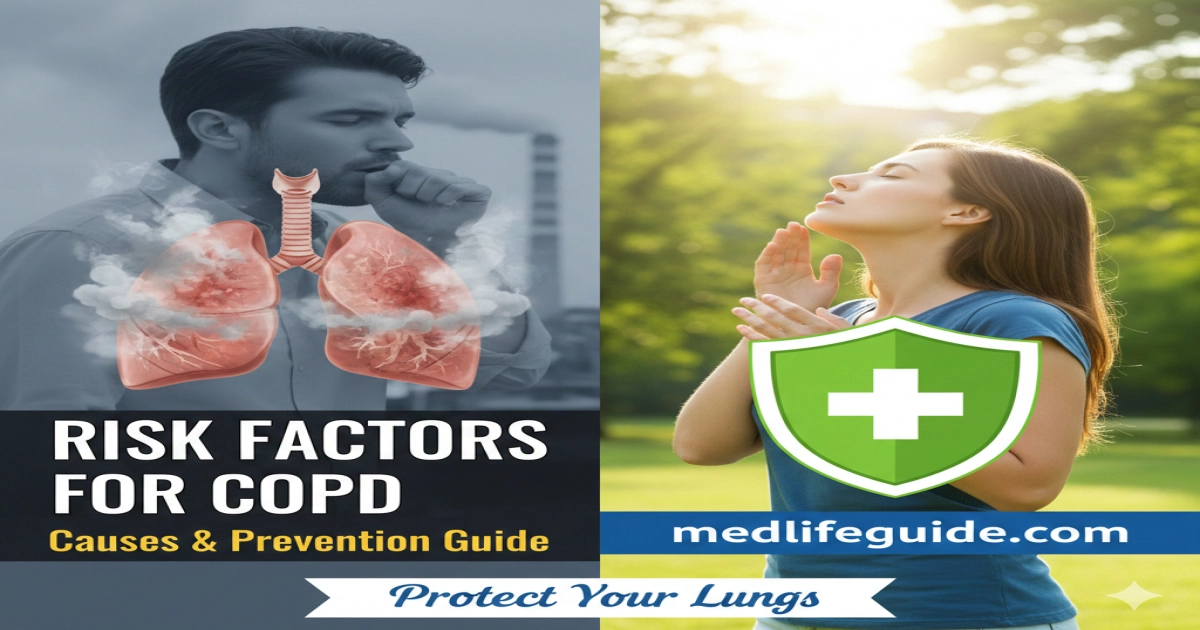
Understanding COPD Risk Factors: Protect Your Lungs
Medically Reviewed and Compiled by Dr. Adam N. Khan, MD. Quick Answer: What Causes COPD? Chronic Obstructive Pulmonary Disease (COPD) is primarily caused by long-term exposure to lung irritants. Cigarette smoking is the leading risk factor, responsible for the vast majority of cases. Other significant factors include secondhand smoke, environmental pollutants, workplace dust and chemicals, and a…
-
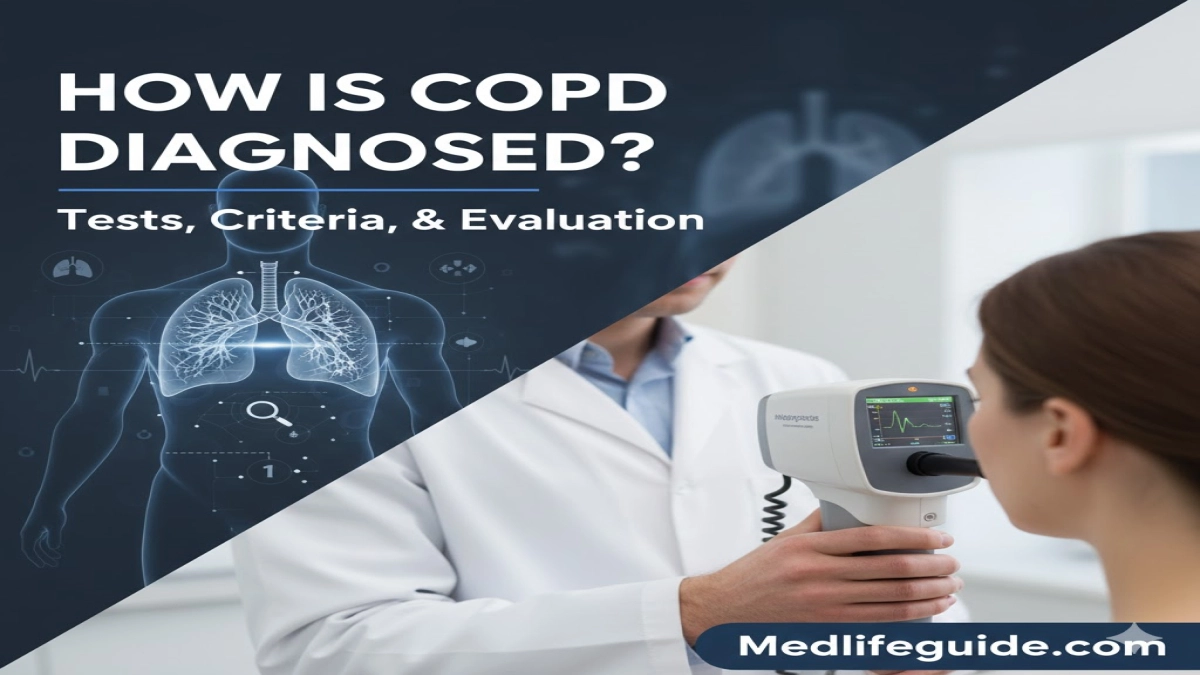
How Is COPD Diagnosed: Medical Tests and Evaluation
Chronic Obstructive Pulmonary Disease (COPD) is a progressive lung condition that limits airflow and affects breathing over time. Accurate diagnosis is critical because early detection allows timely intervention, symptom control, and slowing of disease progression. COPD diagnosis is not based on symptoms alone. It requires a structured clinical process that combines patient history, physical examination,…
-

Pursed Lip Breathing Benefits for COPD
Chronic Obstructive Pulmonary Disease (COPD) is a progressive respiratory condition marked by airflow limitation, chronic breathlessness, and decreased exercise capacity. Non‑pharmacological interventions such as pursed lip breathing (PLB) are widely recommended in pulmonary rehabilitation programs to help patients manage dyspnea and optimize respiratory mechanics. PLB is simple to learn, requires no equipment, and can be…
-

COPD Breathing Exercises That Work
Chronic obstructive pulmonary disease (COPD) is a progressive respiratory condition characterized by persistent airflow limitation and dyspnea (shortness of breath). Breathing exercises are frequently recommended as part of pulmonary rehabilitation to improve respiratory muscle function, reduce dyspnea, and enhance exercise capacity. This article analyzes evidence‑based techniques, protocols, clinical nuances, and actionable guidance for patients with…
-
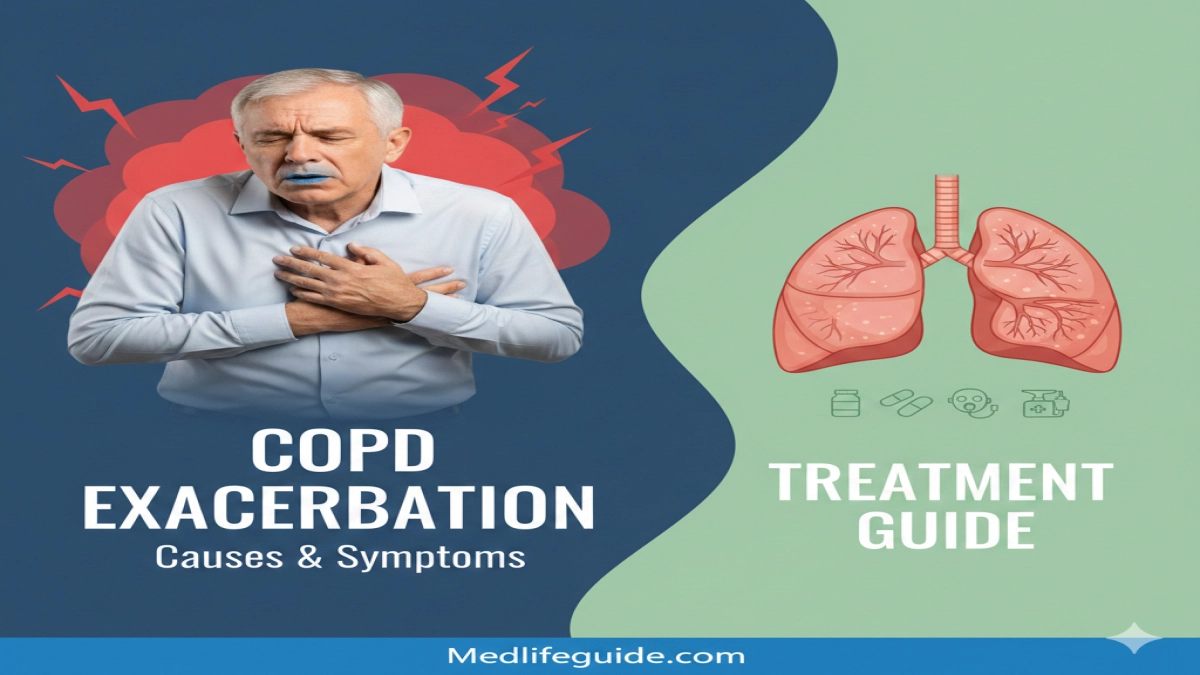
COPD Exacerbation Explained: Triggers, Care, Outcomes
Overview of COPD Exacerbation A COPD exacerbation is an acute, sustained worsening of respiratory symptoms beyond normal day-to-day variation that necessitates a change in regular therapy. Exacerbations are central drivers of morbidity, mortality, accelerated lung-function decline, reduced quality of life, and health-care utilization in chronic obstructive pulmonary disease (COPD). Prompt recognition and evidence-based management reduce…