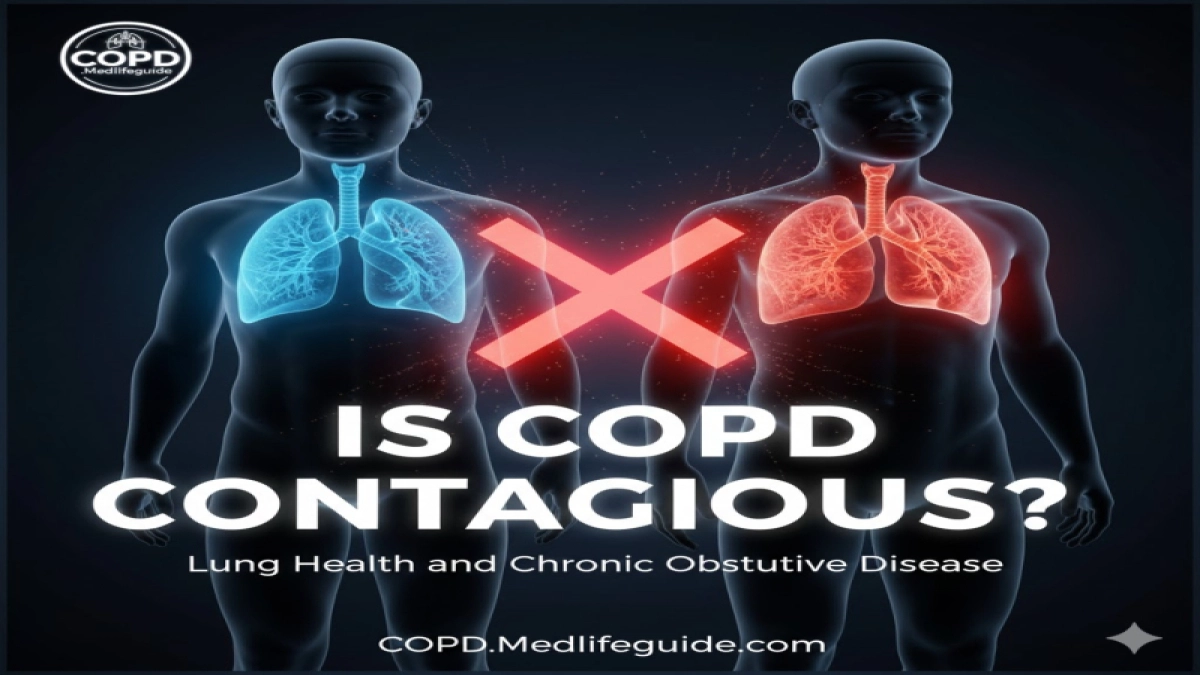
Chronic Obstructive Pulmonary Disease, or COPD, is a term that many have heard, but few truly understand. It is a serious lung condition, and a common question that arises is: Is COPD contagious? Let’s delve into the nature of COPD, its causes, symptoms, and address the misconceptions about its transmissibility. This article aims to provide a comprehensive understanding of COPD and clarify that COPD is not contagious.
What is COPD?


Definition and Overview
COPD, or chronic obstructive pulmonary disease, is a group of progressive lung diseases that obstruct airflow, making it difficult to breathe. The two main conditions under the COPD umbrella are chronic bronchitis and emphysema. Chronic bronchitis involves long-term inflammation of the bronchi, leading to increased mucus production and a persistent cough. Emphysema, on the other hand, involves damage to the alveoli, the tiny air sacs in the lungs, resulting in reduced lung function.
Symptoms of COPD
The symptoms of COPD can vary from person to person, but some common indicators include a chronic cough, often producing mucus; shortness of breath, especially during physical activity; wheezing; and chest tightness. Some people with COPD also experience frequent respiratory infections, fatigue, and unintended weight loss as the disease progresses. Recognizing these COPD symptoms early is crucial for timely diagnosis and management. The severity of these symptoms often dictates the impact on the individual’s quality of life.
Causes and Risk Factors for COPD
Understanding COPD causes and risk factors is crucial for prevention. The primary cause of COPD is long-term exposure to lung irritants, most notably cigarette smoke. This includes both actively smoking and exposure to secondhand smoke. Other risk factors for COPD include exposure to air pollution, occupational dusts and chemicals, and a genetic predisposition. While smoking is the leading cause, it’s important to note that not everyone who smokes will develop COPD. Minimizing exposure to these irritants is a key step in preventing the development of COPD and protecting lung health.
Is COPD Contagious?
Understanding Contagious Diseases
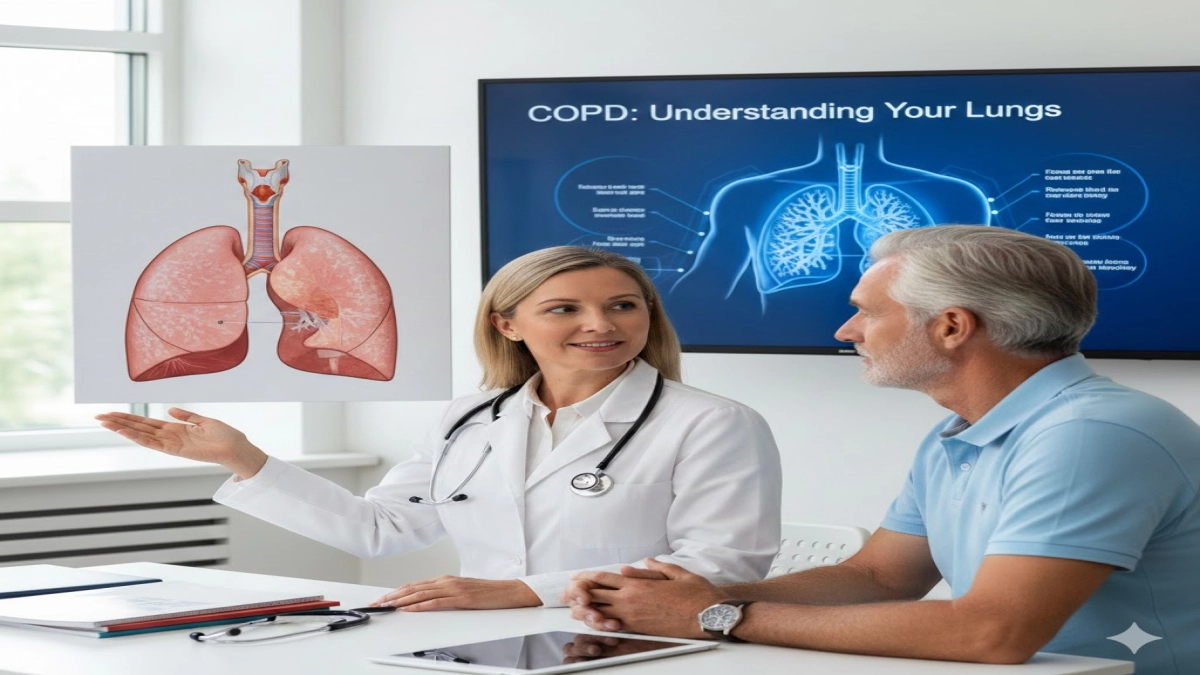
To understand whether COPD can be contagious, it’s essential to first clarify what contagious means. A contagious disease is caused by infectious agents, such as viruses or bacteria, that can be transmitted from one person to another through direct contact, airborne droplets, or other means. These agents invade the body, multiply, and cause illness. Common contagious diseases include the flu, common cold, and measles. However, COPD is fundamentally different as it does not involve an infectious agent. Understanding this distinction is critical to knowing why COPD isn’t contagious.
Can You Get COPD from Someone Else?
The simple answer is no, you cannot get COPD from someone else. COPD isn’t contagious because it is not caused by a virus, bacteria, or any other infectious agent that can be transmitted between individuals. COPD typically develops as a result of long-term exposure to lung irritants, such as cigarette smoke or pollution, which gradually damage the lung tissue over time. According to the American Lung Association, COPD is a lung disease that results from personal behaviors and exposures, rather than transmission from another person. It’s more about what you breathe in, not who you’re near.
Common Misconceptions About COPD and Contagion
There are common misconceptions regarding COPD and its transmissibility. Some people with COPD might worry that they could spread their condition to others, while those around them may fear contracting it. These misconceptions often stem from a lack of understanding about the true cause of COPD. Unlike a respiratory infection, COPD is not transmitted through the air or physical contact. The risk factor for COPD is exposure to lung irritants, not proximity to someone with COPD. Remember, breathing the same air as someone with COPD doesn’t put you at risk of developing COPD.
Causes of COPD

Primary Causes of COPD
The primary cause of COPD is prolonged exposure to lung irritants, with cigarette smoke being the most prevalent culprit. When a person inhales cigarette smoke over an extended period, the chemicals in the smoke damage the airways and alveoli, leading to chronic bronchitis and emphysema, the two main components of COPD. The lung damage caused by smoking is often irreversible and progressive, leading to the development of COPD. In my experience, educating smokers about the risk of developing COPD is crucial for prevent COPD. I had a family member who smoked for years, but after being diagnosed with a respiratory illness, he quit immediately and significantly reduced his chances of developing chronic obstructive pulmonary disease.
Impact of Secondhand Smoke on Lung Health
Secondhand smoke is also a significant risk factor for COPD, especially for individuals who have never smoked themselves. Exposure to secondhand smoke can cause similar lung damage as actively smoking, albeit often to a lesser extent. When nonsmokers are regularly exposed to secondhand smoke, they inhale the same harmful chemicals that smokers do, which can irritate the airways, inflame the lungs, and increase the risk of developing COPD. Protecting oneself from secondhand smoke is an important step in maintaining lung health and prevent COPD. I always advise people to avoid spending time in enclosed spaces where smoking is allowed.
Other Environmental Risk Factors
Besides cigarette smoke and secondhand smoke, various other environmental risk factors can contribute to the development of COPD. These include long-term exposure to air pollution; occupational dusts and chemicals; and fumes from burning biomass fuels (such as wood or coal) for cooking and heating. Air pollution, especially in urban areas, contains fine particulate matter and noxious gases that can irritate and damage the lungs. Similarly, certain occupations, such as mining, construction, and agriculture, involve exposure to dusts and chemicals that can cause inflammation and scarring in the lungs. Minimizing exposure to these environmental irritant is vital for lung health.
Diagnosing COPD

Common Diagnostic Procedures
To diagnose COPD, healthcare professionals employ a multifaceted approach. This often starts with a detailed medical history, including smoking habits and exposure to lung irritants. Lung function tests, such as spirometry, measure how much air you can inhale and exhale, revealing any obstructions. Imaging techniques, like chest X-rays or CT scans, can visualize lung damage and rule out other conditions. I prefer starting with the least invasive tests first, as it helps minimize patient discomfort while gathering essential diagnostic information.
Importance of Early Diagnosis
Early diagnosis of COPD is vital for managing the disease effectively. Detecting COPD symptoms early allows for prompt intervention, slowing disease progression and improving quality of life. When COPD is identified in its initial stages, lifestyle modifications and medical interventions can be implemented to minimize lung damage and alleviate respiratory symptoms. I’ve seen many people with COPD significantly benefit from early intervention, leading to a better prognosis. A friend who noticed persistent cough sought medical help early, which allowed them to manage their COPD effectively.
How Expert Opinions Shape Diagnosis
Expert opinions play a crucial role in shaping the diagnostic landscape for COPD. Pulmonologists and respiratory therapists bring specialized knowledge to the diagnostic process, ensuring accurate assessment and tailored management strategies. According to American Lung Association, expert consensus guides the development of diagnostic guidelines, incorporating the latest research and clinical best practices. Their insights help refine diagnostic criteria, optimize testing protocols, and improve the accuracy of diagnosis. “In my experience,” one pulmonologist shared, “a multi-disciplinary approach involving expert opinions leads to more effective and personalized care for people with COPD.”
Treatment Options for COPD

Medications and Therapy
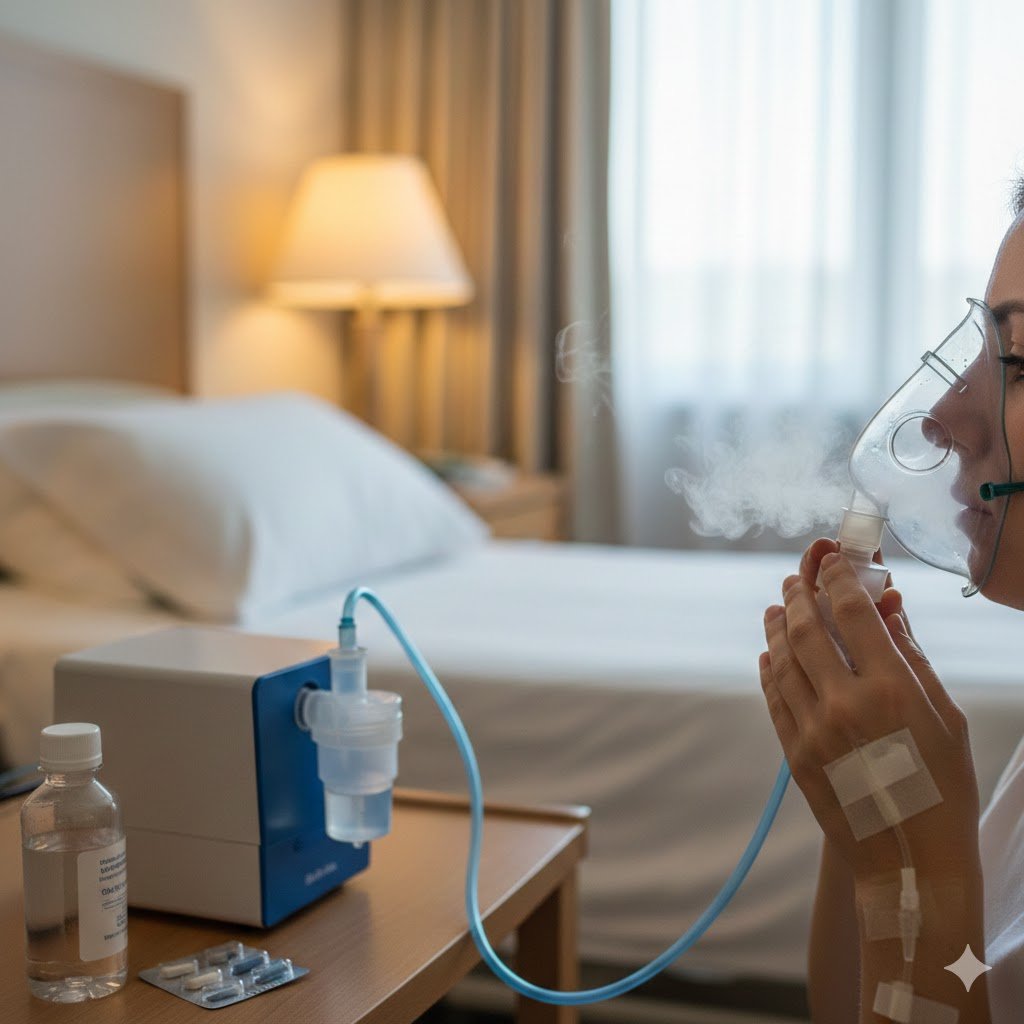
Treatments for COPD primarily aim to manage symptoms, improve lung function, and enhance the overall quality of life. Medications, such as bronchodilators, help relax the airways, making it easier to breathe, while inhaled corticosteroids reduce inflammation. Pulmonary rehabilitation programs offer exercise training, education, and support to improve physical endurance and manage symptoms. Oxygen therapy may be prescribed for those with severe COPD to increase oxygen levels in the blood. I strongly recommend pulmonary rehabilitation because it not only improves physical health but also provides psychological support.
Lifestyle Changes to Manage COPD
Lifestyle modifications are essential in managing COPD effectively. Quitting smoking is the most important step to slow disease progression and prevent further lung damage. Regular exercise, including cardiovascular and strength training, improves lung function and overall fitness. Maintaining a healthy diet rich in fruits, vegetables, and lean proteins provides the necessary nutrients to support immune function and energy levels. Avoiding lung irritants, such as air pollution and secondhand smoke, is also crucial. “Remember,” my doctor always says, “small changes can make a big difference.”
Practical Tips for Living with COPD
Living with COPD requires adopting practical strategies to manage symptoms and maintain quality of life. Stay informed about your condition and follow your healthcare provider’s recommendations. Practice breathing exercises, such as pursed-lip breathing, to ease shortness of breath. Plan activities to conserve energy and avoid overexertion. Get vaccinated against the flu and pneumonia to prevent respiratory infection. Create a support network of family, friends, or support groups to cope with the emotional challenges of living with COPD. I’ve found that joining a local COPD support group can provide invaluable emotional and practical support.
Preventing COPD

Reducing Risk Factors
To prevent COPD, reducing risk factor exposure is paramount. The most impactful step is to quit smoking. Prolonged exposure to cigarette smoke is the leading cause of COPD, and cessation significantly slows disease progression. Avoiding secondhand smoke is also crucial, as it can cause similar lung damage. Additionally, minimizing exposure to environmental irritant like air pollution, occupational dusts, and chemical fumes is essential. I advise people I know who smoke to seek support and explore smoking cessation programs.
Importance of Lung Health
Maintaining overall lung health is important in preventing COPD. Regular exercise, particularly activities that enhance cardiovascular fitness, strengthens the lungs and improves their function. A balanced diet rich in antioxidants and nutrients supports lung health. Annual flu and pneumonia vaccinations are essential to prevent respiratory infection, which can exacerbate COPD symptoms. You might be wondering how small changes in lifestyle can really impact lung health. In my experience, these proactive steps are essential.
Community Resources and Support
Leveraging community resources is beneficial in prevent COPD and managing its effects. Many organizations, including the American Lung Association, offer educational programs, support groups, and smoking cessation resources. Local healthcare providers can provide guidance and referrals to specialized services. Support groups offer a platform for people with COPD to share experiences and coping strategies. These resources can empower individuals to take control of their lung health and effectively manage their condition. I always encourage people to explore community support because it can make a huge difference.
Real-World Scenarios
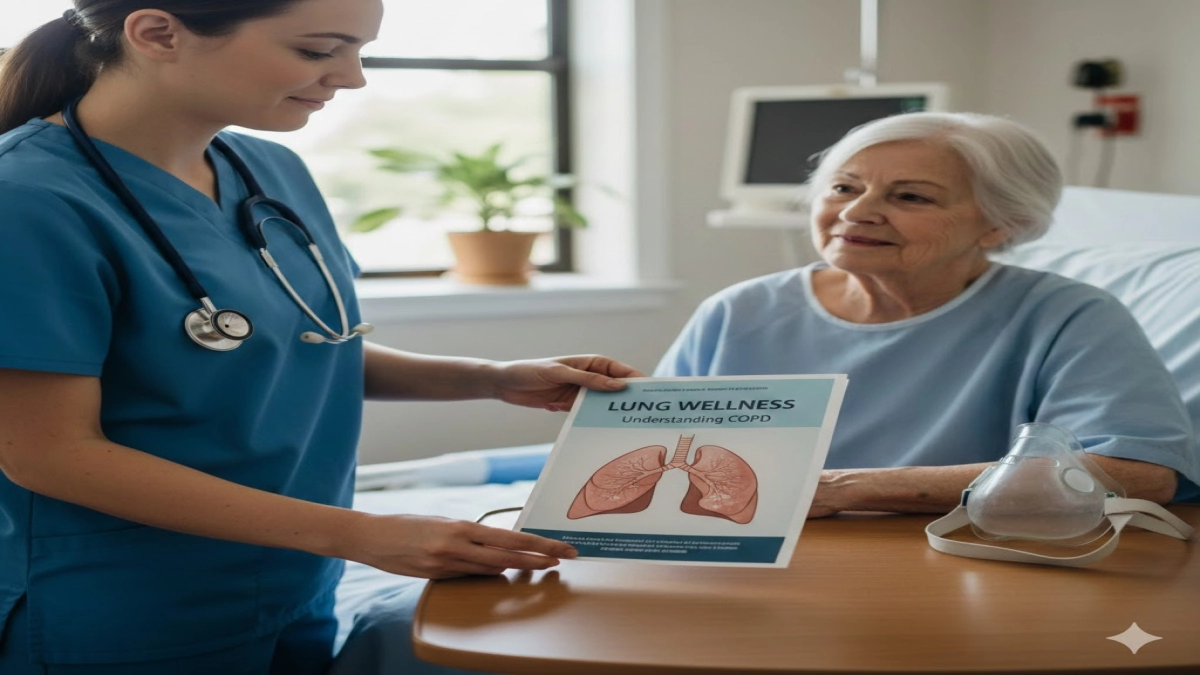
Case Studies of COPD Patients
Examining case studies of people with COPD provides valuable insights. One case involved a 65-year-old former smoker who developed severe COPD. Early symptoms of COPD included a chronic cough and shortness of breath. Through pulmonary rehabilitation, medication, and smoking cessation, the patient improved their quality of life and slowed disease progression. Another case involved a 50-year-old with occupational exposure to dust, leading to COPD. These cases highlight the diverse causes and risk factors of COPD.
Lessons Learned from Personal Experiences
Reflecting on personal experiences with COPD offers important lessons. One individual shared how quitting smoking significantly improved their breathing and reduced COPD exacerbation. Another person emphasized the importance of adhering to medication schedules and attending pulmonary rehabilitation sessions. These stories underscore the importance of proactive self-management and seeking support. In my experience, hearing personal accounts can motivate others to make positive changes. I strongly recommend connecting with others who have COPD.
Common Mistakes Made by New Patients
New people with COPD often make common mistakes. Neglecting to quit smoking is a major oversight, as continued smoking accelerates lung damage. Another mistake is not adhering to prescribed medications or pulmonary rehabilitation. Some individuals underestimate the importance of avoiding lung irritants like air pollution. Failing to seek emotional support can also hinder effective management. Early education and guidance can help people with COPD avoid these pitfalls and optimize their care. I’ve often seen new patients struggle with these issues.
References
Global Initiative for Chronic Obstructive Lung Disease (GOLD).
Global Strategy for the Diagnosis, Management, and Prevention of COPD.
GOLD Reports 2024–2025 Update.World Health Organization (WHO).
Chronic Obstructive Pulmonary Disease (COPD): Key Facts.
WHO, Geneva.Centers for Disease Control and Prevention (CDC).
COPD: Causes, Risk Factors, and Symptoms.
National Center for Chronic Disease Prevention and Health Promotion.Salvi S, Barnes PJ.
Chronic obstructive pulmonary disease in non-smokers.
Medical Disclaimer
Information on this website is for general education only. It is not medical advice.
The content on COPD.MEDLIFEGUIDE is written to help people understand COPD and other breathing conditions in a clear and simple way. It is not a substitute for professional medical care, diagnosis, or treatment.
Always talk to a licensed healthcare provider for personal medical concerns.
Do not ignore symptoms or delay getting help because of something you read on this site. If you think you may be having a medical emergency, call your local emergency number right away.