
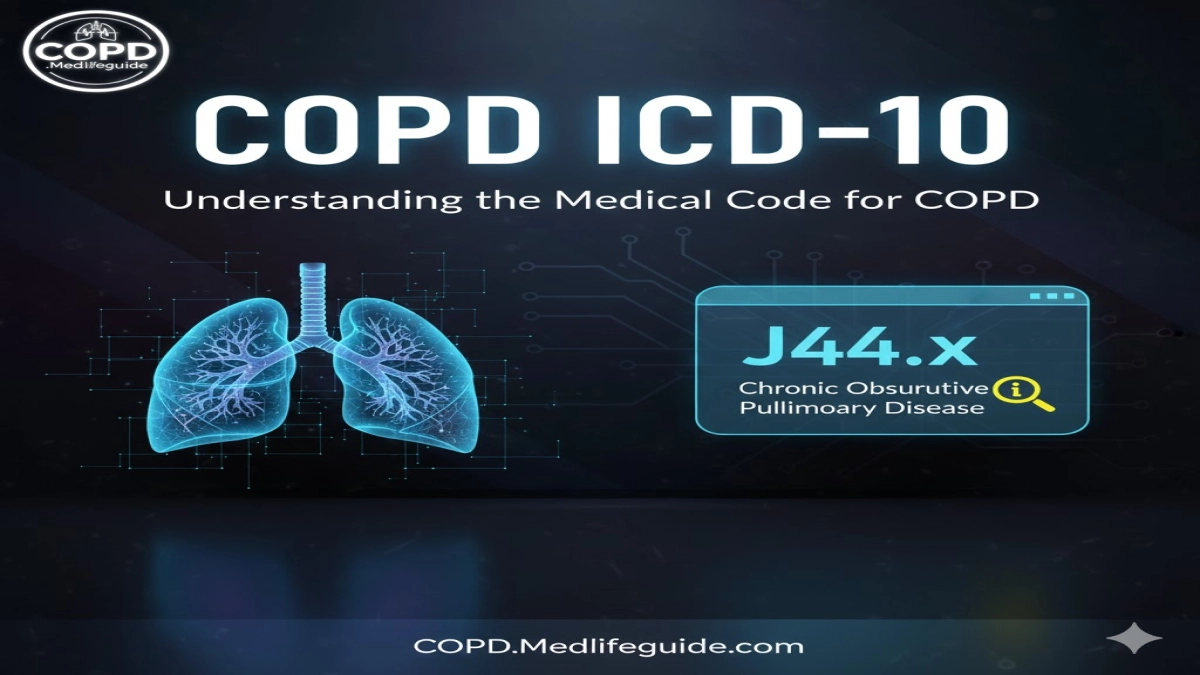
2026 COPD ICD-10 Codes
Navigating the world of medical coding can be complex, especially when dealing with conditions like Chronic Obstructive Pulmonary Disease (COPD). As we approach 2026, understanding the specific ICD-10-CM codes for COPD is crucial for accurate billing, proper documentation, and effective patient care. Let’s delve into the details of COPD and the relevant 2026 ICD-10-CM diagnosis code.
Understanding Chronic Obstructive Pulmonary Disease (COPD)

What is COPD?
Chronic Obstructive Pulmonary Disease (COPD) is a progressive lung disease that makes it hard to breathe. COPD encompasses conditions like chronic bronchitis and emphysema, which obstruct airflow to the lungs. The ICD-10 code helps classify the specific type of COPD the patient has. It’s essential to understand that exposure to environmental tobacco smoke and lower respiratory infection are significant risk factors, often leading to the development of COPD, underscoring the importance of preventative care.
Common Symptoms and Diagnosis
Patients with COPD often experience symptoms like chronic cough, shortness of breath, and wheezing. Diagnosing COPD involves a thorough evaluation of the patient’s respiratory system, including lung function tests. The accuracy of the ICD-10 code for COPD depends on properly identifying the stage and type of COPD. For instance, distinguishing between chronic bronchitis and emphysema is vital, as different ICD-10 codes may apply. Industry experts agree that early diagnosis and proper COPD management can significantly improve outcomes for COPD patients.
Real-World Impact of COPD
COPD significantly impacts patients’ quality of life and the healthcare system. Proper ICD-10 coding is essential for tracking the prevalence and impact of this respiratory condition. Consider a scenario where a patient presents with an acute exacerbation of COPD. The ICD-10-CM code must accurately reflect whether the exacerbation is related to chronic bronchitis or emphysema. I recall a time when I initially used the unspecified chronic bronchitis code but later corrected it after reviewing the patient’s detailed lung function tests — a crucial lesson learned.
ICD-10-CM Codes for COPD

Overview of ICD-10-CM Coding
The ICD-10-CM coding system is crucial for classifying and reporting diagnoses in healthcare settings. It allows for standardized communication between healthcare providers and insurers. When it comes to chronic obstructive pulmonary disease (COPD), the 2026 ICD-10-CM diagnosis code offers a specific way to identify and categorize this respiratory condition. Understanding the nuances of the ICD-10 code is vital for accurate billing and reimbursement. I find using the official coding guidelines from CMS extremely helpful in navigating complex cases; I strongly recommend familiarizing yourself with them to avoid common errors.
Specific Codes: J44.1 and J44.9
Among the codes related to COPD, the choice between J44.1 and J44.9 depends on specific patient conditions. You’ll need to consider the following:
- J44.1 refers to chronic obstructive pulmonary disease with acute lower respiratory infection.
- J44.9 denotes chronic obstructive pulmonary disease, unspecified.
For instance, if a COPD patient presents with pneumonia, J44.1 would be the more appropriate code. However, if the patient’s COPD is stable without any active infection, J44.9 should be used. Remember, accurate code selection impacts proper COPD management and patient care.
How to Use the 2026 ICD-10-CM Diagnosis Code
Using the 2026 ICD-10-CM diagnosis code correctly for COPD involves a thorough understanding of the patient’s clinical condition. When a patient presents with COPD symptoms, determine if the condition is associated with chronic bronchitis and emphysema. Also, consider whether an acute exacerbation or lower respiratory infection is present. The ICD-10 coding guidelines provide specific instructions on how to sequence codes in such cases. Most billing managers agree that reviewing the entire medical record, including physician notes and lab results, is essential for selecting the most accurate ICD-10 code for COPD patients.
Coding for Chronic Obstructive Pulmonary Disease Variants
Unspecified Chronic Obstructive Pulmonary Disease
When assigning the 2026 ICD-10-CM diagnosis code for chronic obstructive pulmonary disease (COPD), it’s essential to differentiate between specified and unspecified conditions. “Unspecified” generally applies when there’s insufficient documentation to pinpoint the precise type of COPD. Selecting the correct ICD-10 code requires a comprehensive review of the patient’s records. For example, if a patient’s chart only mentions COPD without specifying whether it’s related to chronic bronchitis or emphysema, the unspecified code, ICD-10 code J44.9, is appropriate. I’ve learned to always double-check with the physician when clarity is lacking; it prevents claim denials.
Chronic Bronchitis and Its Coding
Chronic bronchitis, a significant component of COPD, involves long-term inflammation of the bronchi. When coding, it’s crucial to determine whether the chronic bronchitis is specified or unspecified. The ICD-10-CM diagnosis code should accurately reflect this distinction. If the patient has a history of exposure to environmental tobacco smoke, it should be noted, as it often contributes to the condition. Remember, accurate coding directly impacts COPD management and patient care. I strongly recommend consistently reviewing coding guidelines to ensure compliance and minimize errors when dealing with this respiratory condition. The ICD-10 code helps classify the specific type of COPD.
Acute Exacerbations of COPD
Acute exacerbations of COPD represent a sudden worsening of symptoms. These exacerbations require a different ICD-10-CM code, especially if associated with a lower respiratory infection. An acute exacerbation necessitates immediate attention and proper documentation for accurate coding. The choice between ICD-10 code J44.1 and other codes depends on the specifics of the exacerbation. The ICD-10 coding guidelines clearly state that the code for the acute condition should be sequenced first, followed by the code for COPD. I’ve noticed that many beginners forget this sequencing rule, leading to claim rejections; always remember to prioritize the acute condition.
Challenges in Coding and Documentation

Common Coding Mistakes and How to Avoid Them
Many coders grapple with common mistakes when assigning the 2026 ICD-10-CM diagnosis code for COPD. One frequent error is failing to differentiate between COPD and asthma, especially when a patient presents with overlapping symptoms. Also, it’s essential to accurately document the presence of any acute lower respiratory infections, which can change the COPD codes. To avoid these mistakes, always consult the ICD-10-CM official guidelines and ensure that the documentation supports the code selected. For instance, be cautious of type 1 excludes notes to ensure correct code selection.
Expert Opinions on Accurate Documentation
According to industry experts, accurate documentation is paramount for precise ICD-10 coding. It’s essential for healthcare providers to thoroughly document the type of COPD, including whether it’s associated with chronic bronchitis and emphysema. The documentation should also specify the presence of any acute exacerbations or lower respiratory infections. Most billing managers agree that regular training sessions on ICD-10 coding guidelines can significantly improve accuracy. I find it helpful to create a checklist of essential documentation elements to ensure nothing is overlooked, leading to more accurate claims and better patient outcomes for COPD patients.
Case Study: A Coding Error with COPD
Consider a case where a 68-year-old patient with a long history for ICD-10 code of smoking was diagnosed with COPD. Initially, the coder assigned ICD-10 code J44.9 (unspecified chronic obstructive pulmonary disease). However, upon closer review, the patient’s pulmonary function tests revealed significant emphysema, suggesting the need for a different ICD-10-CM code. The error was corrected, and the claim was resubmitted with the more accurate code. This case underscores the importance of thoroughly reviewing all clinical documentation before finalizing the COPD codes. I’ve learned that taking the extra time to verify details pays off in the long run, preventing denials and ensuring appropriate reimbursement. Understanding the disorders of lung and respiratory system becomes crucial.
Practical Tips for Accurate Coding

Step-by-Step Guide to Coding for COPD
Here’s how to accurately assign the 2026 ICD-10-CM diagnosis code for COPD. After confirming the COPD diagnosis, several key factors must be considered, including:
- Whether the COPD is specified, such as chronic bronchitis and emphysema, or unspecified.
- If the patient has an acute lower respiratory infection or is experiencing an exacerbation, ensuring this is documented and coded accordingly.
Finally, cross-reference the documentation with the ICD-10-CM official guidelines to select the most accurate ICD-10 code; I prefer to use a checklist to ensure I cover all bases. I strongly recommend that you use this method.
When to Seek Clarification from Payers
There are instances when seeking clarification from payers regarding COPD coding becomes necessary. If the payer denies a claim due to a coding issue related to the respiratory condition, don’t hesitate to contact them. When there’s conflicting information in the patient’s record, clarification can help determine the correct 2026 ICD-10-CM diagnosis code. Always document the payer interactions, noting the date, time, and representative’s name, as this helps track and resolve issues. In my experience, payers are often willing to provide guidance on complex cases, especially when you demonstrate a commitment to accurate coding for COPD patients. Be sure to use the ICD-10 coding guidelines.
Utilizing Technology for Better Coding Practices
Technology plays a vital role in enhancing COPD coding accuracy and efficiency. Coding software can assist in identifying the appropriate 2026 ICD-10-CM diagnosis code based on the documented clinical information. Electronic Health Records (EHRs) often have built-in coding tools that streamline the process. Data analytics can help identify trends and patterns in COPD coding, highlighting areas for improvement. According to industry experts, investing in coding software and EHR integration can significantly reduce errors and improve billing accuracy; for example, some systems automatically flag potential coding issues based on clinical documentation related to the ICD-10 code for COPD. It makes the process more smooth.
Future Trends in COPD Coding
Anticipated Changes in ICD-10-CM Codes
As we look ahead, the ICD-10-CM code set is subject to periodic updates and revisions. It’s crucial to stay informed about these anticipated changes, particularly those affecting COPD codes. Keep an eye on announcements from organizations like the Centers for Disease Control and Prevention (CDC) and the American Medical Association (AMA), as they often provide updates on the ICD-10 coding guidelines. In my experience, attending coding conferences and webinars can provide valuable insights into upcoming changes. Being proactive in understanding and adapting to these updates ensures that your coding practices remain compliant and accurate when the patient is diagnosed with chronic obstructive pulmonary disease. Also, take the advice of industry experts.
Impact of New Research on Lung Disease Coding
Emerging research on COPD and other lung diseases can influence how these conditions are coded using the 2026 ICD-10-CM diagnosis code. As our understanding of the pathophysiology of COPD evolves, new diagnostic criteria and treatment approaches may emerge. These advancements can lead to changes in the ICD-10 coding guidelines. For instance, new research might reveal additional sub-types of COPD that require specific codes. Regularly reviewing medical journals and attending professional development courses can help coders stay abreast of these developments and adjust their coding practices accordingly, especially for COPD patients. It helps in managing the pulmonary disease with acute lower respiratory infection.
Preparing for the Transition to ICD-11
The transition from ICD-10-CM to ICD-11 is on the horizon, presenting significant implications for COPD coding. ICD-11 promises greater specificity and granularity in coding, which may lead to more accurate representation of the different types of COPD. Start preparing for this transition by familiarizing yourself with the structure and content of ICD-11. The World Health Organization (WHO) provides resources and training materials to support this transition. In my opinion, early preparation is key to ensuring a smooth transition and minimizing disruptions to your coding workflow. The ICD-11 codes will provide a way to identify the chronic obstructive pulmonary disease in different ways than now.
References
Global Initiative for Chronic Obstructive Lung Disease (GOLD).
Global Strategy for the Diagnosis, Management, and Prevention of COPD.
GOLD Reports 2024–2025 Update.World Health Organization (WHO).
Chronic Obstructive Pulmonary Disease (COPD): Key Facts.
WHO, Geneva.Centers for Disease Control and Prevention (CDC).
COPD: Causes, Risk Factors, and Symptoms.
National Center for Chronic Disease Prevention and Health Promotion.Salvi S, Barnes PJ.
Chronic obstructive pulmonary disease in non-smokers.
Medical Disclaimer
Information on this website is for general education only. It is not medical advice.
The content on COPD.MEDLIFEGUIDE is written to help people understand COPD and other breathing conditions in a clear and simple way. It is not a substitute for professional medical care, diagnosis, or treatment.
Always talk to a licensed healthcare provider for personal medical concerns.
Do not ignore symptoms or delay getting help because of something you read on this site. If you think you may be having a medical emergency, call your local emergency number right away.