
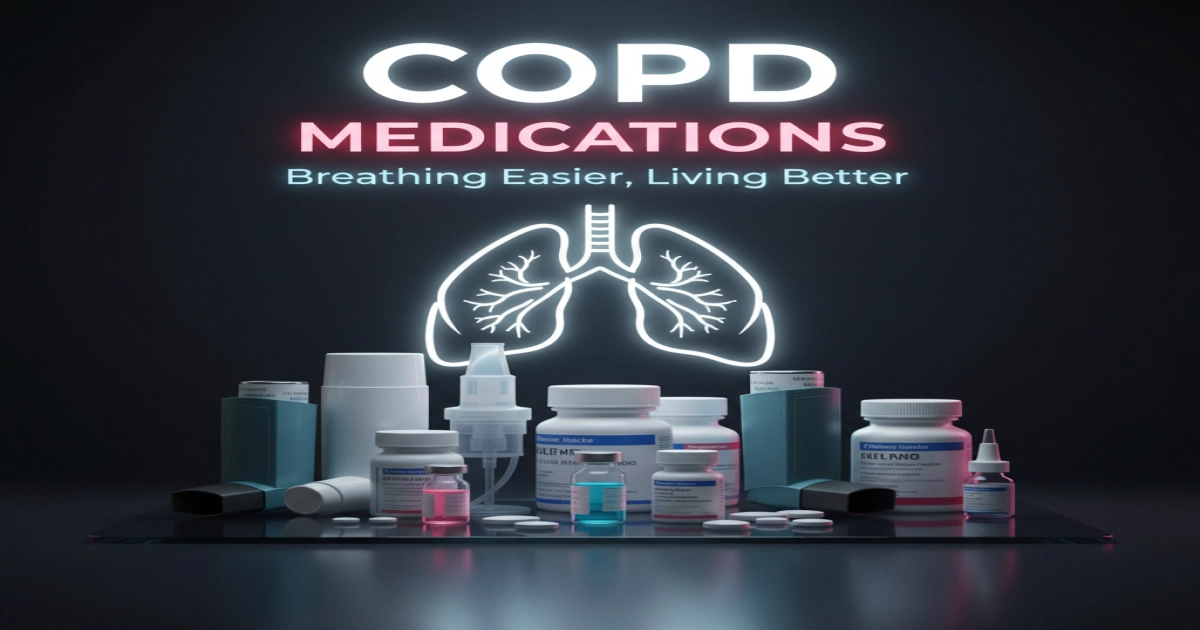
COPD: Treatment Options, COPD Medications, and Management
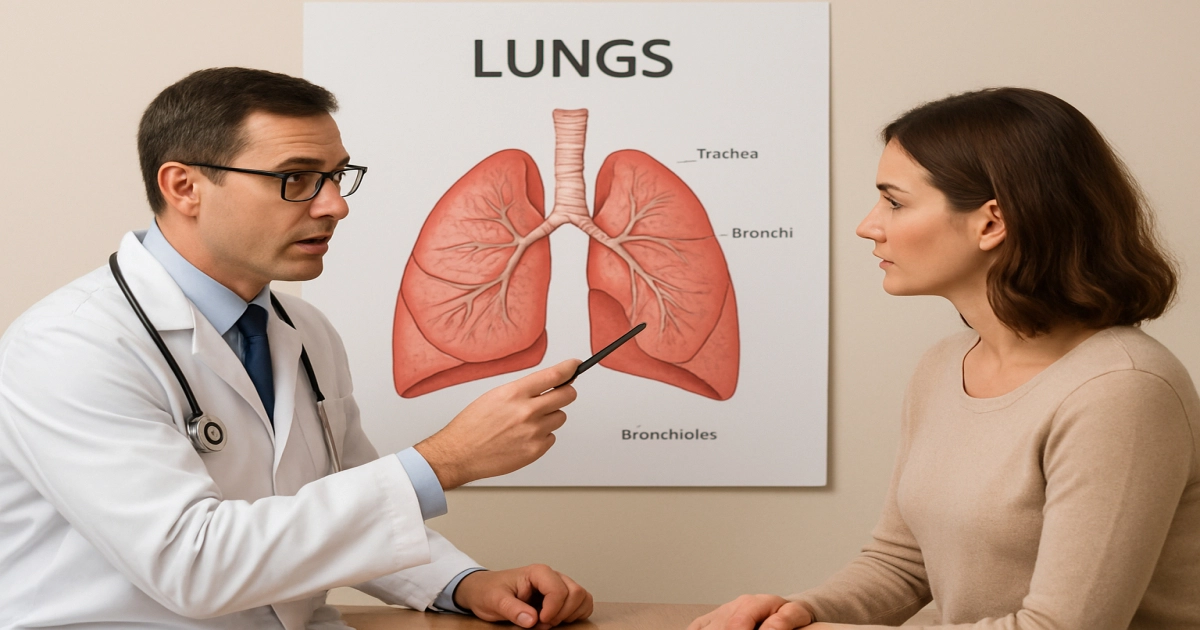
Chronic Obstructive Pulmonary Disease (COPD) is a progressive lung disease that makes it hard to breathe. While there is currently no cure for COPD, numerous treatment options and management strategies can significantly improve the quality of life for people with COPD. This article aims to provide a comprehensive overview of COPD, its types, symptoms, and the various approaches available to treat COPD, manage COPD, and help you breathe easier.
Understanding COPD

What is Chronic Obstructive Pulmonary Disease?
Chronic Obstructive Pulmonary Disease, often referred to as COPD, is a progressive lung condition encompassing both emphysema and chronic bronchitis. COPD makes it difficult to breathe because the airways in the lungs become inflamed and narrowed. This inflammation and airway obstruction lead to symptoms of COPD such as shortness of breath, chronic cough, and wheezing. COPD is a serious, long-term condition that requires ongoing management and treatment, but understanding what COPD is, is the first step in taking control.
Types of COPD and Their Symptoms
There are primarily two main types of COPD: emphysema and chronic bronchitis, and people with COPD often experience both. Emphysema damages the air sacs in the lungs, making it harder to exhale, resulting in shortness of breath. Chronic bronchitis involves long-term inflammation and irritation of the airways, leading to a persistent cough and increased mucus production. Recognizing the specific types of COPD and their corresponding symptoms is crucial for tailoring a suitable treatment plan. The symptoms of COPD can vary in severity from mild to severe.
Common Misconceptions About COPD
Many people have misconceptions about COPD, often confusing it with asthma or believing it’s solely a smoker’s disease. While smoking is a major risk factor, asthma and COPD are distinct conditions. Asthma is often reversible, while COPD is a progressive condition. Another misconception is that COPD is untreatable. While there is no cure for COPD, treatment and management can significantly improve symptoms and quality of life. It’s essential to dispel these myths to ensure people with COPD seek appropriate treatment and support.
Medications for COPD

Types of COPD Medications
When it comes to COPD medications, there are several classes of drugs commonly used to manage the condition and its symptoms. To provide some context, here are a few examples of medications used:
- Bronchodilators relax the muscles around the airways, making it easier to breathe. Bronchodilators come in both short-acting and long-acting formulations.
- Inhaled corticosteroids reduce inflammation in the lungs and are often combined with long-acting bronchodilators in a single inhaler.
For COPD exacerbations, antibiotics may be prescribed to treat bacterial infections, and oral steroids can help reduce inflammation. Your doctor will tailor your treatment plan based on the severity of your symptoms and your individual needs.
How COPD Medications Work
COPD medicines work in different ways to alleviate symptoms and improve lung function. Bronchodilators relax the muscles around the airways, opening them up to allow more air to flow in and out of the lungs. Inhaled corticosteroids reduce inflammation in the airways, which can help to reduce shortness of breath and coughing. Antibiotics target bacterial infections that can trigger COPD exacerbations, while steroids decrease inflammation during flare-ups. Understanding how medications work can help people with COPD better manage their condition and adhere to their treatment plan.
Long-Acting vs. Short-Acting Bronchodilators
Long-acting bronchodilators and short-acting bronchodilators are both important tools in COPD management, but they serve different purposes. Short-acting bronchodilators provide quick relief of symptoms like shortness of breath and wheezing, acting as rescue inhalers during acute episodes. On the other hand, long-acting bronchodilators are used daily to provide sustained bronchodilation and prevent symptoms from flaring up. I often advise my patients to think of short-acting inhalers as their “as-needed” medication, while long-acting bronchodilators form the foundation of their daily management. The choice between these two depends on individual needs and the severity of symptoms.
Treatment for COPD

Role of Inhalers in COPD Management
Inhalers play a crucial role in COPD management, delivering medications directly to the lungs. There are various types of inhalers, including metered-dose inhalers (MDIs) and dry powder inhalers (DPIs). MDIs release a measured dose of medicine as a spray, while DPIs deliver the medication as a dry powder when inhaled. Correct inhaler technique is essential to ensure the medication reaches the airways effectively. Many people with COPD struggle with proper inhaler technique, leading to suboptimal treatment. I often see patients using their inhalers incorrectly, which can significantly reduce their effectiveness. Proper education and technique can help you breathe easier, especially when managing COPD.
Importance of Pulmonary Rehabilitation
Pulmonary rehabilitation is an integral part of COPD treatment, especially for people with moderate to severe COPD. This comprehensive program typically includes exercise training, education on lung disease management, and psychological support. Pulmonary rehabilitation can improve exercise tolerance, reduce shortness of breath, and enhance the overall quality of life. The program can help people with COPD improve their ability to manage daily activities and cope with the emotional challenges of living with COPD. I strongly recommend pulmonary rehabilitation to all my COPD patients. Remember that pulmonary rehabilitation is designed to help you breathe easier and improve your overall well-being.
Oxygen Therapy: When is it Necessary?
Oxygen therapy is a vital treatment option for people with advanced COPD or those with severely low oxygen levels in their blood. Oxygen therapy involves delivering supplemental oxygen to increase oxygen levels and alleviate shortness of breath. It can be administered through nasal cannulas, masks, or liquid oxygen systems. Oxygen therapy can improve exercise capacity, reduce strain on the heart, and enhance overall quality of life. A mistake I often see is patients not using their oxygen therapy as prescribed, which can lead to serious health issues. Consulting with your healthcare provider is essential to determine if oxygen therapy is necessary for your COPD management.
Living with COPD

Practical Tips for Daily Management
Living with COPD requires a proactive approach to daily management. Some practical tips that can help manage the condition include:
- Quitting smoking
- Avoiding irritants like smoke and pollution
- Staying active with regular exercise
- Maintaining a healthy diet
People with COPD should also learn techniques for managing shortness of breath, such as pursed-lip breathing and paced breathing. Many people with COPD find that using a humidifier at home can help to loosen mucus and make it easier to breathe. Staying informed about medications and working closely with your healthcare team are also crucial for successful management.
Real-World Experiences from COPD Patients
Hearing real-world experiences from other people with COPD can provide valuable insights and support. Connecting with COPD support groups or online communities can offer a sense of belonging and shared understanding. Sharing experiences and coping strategies can help people with COPD feel less alone and more empowered in managing their condition. These experiences often highlight the importance of medication adherence, lifestyle modifications, and emotional support in improving the quality of life for people with COPD. Don’t underestimate the power of sharing and learning from others who understand what you’re going through.
Expert Opinions on Coping Strategies
According to industry experts, effective coping strategies for living with COPD involve a combination of medical treatment, lifestyle adjustments, and emotional support. Experts emphasize the importance of adhering to prescribed medications, such as bronchodilators and inhaled corticosteroids, to manage symptoms and prevent exacerbations. They also recommend pulmonary rehabilitation programs to improve exercise tolerance and lung function. Emotional support, through counseling or support groups, is crucial for addressing anxiety and depression. Remember, a holistic approach is essential for improving the overall well-being of people living with COPD.
Case Studies and Scenarios
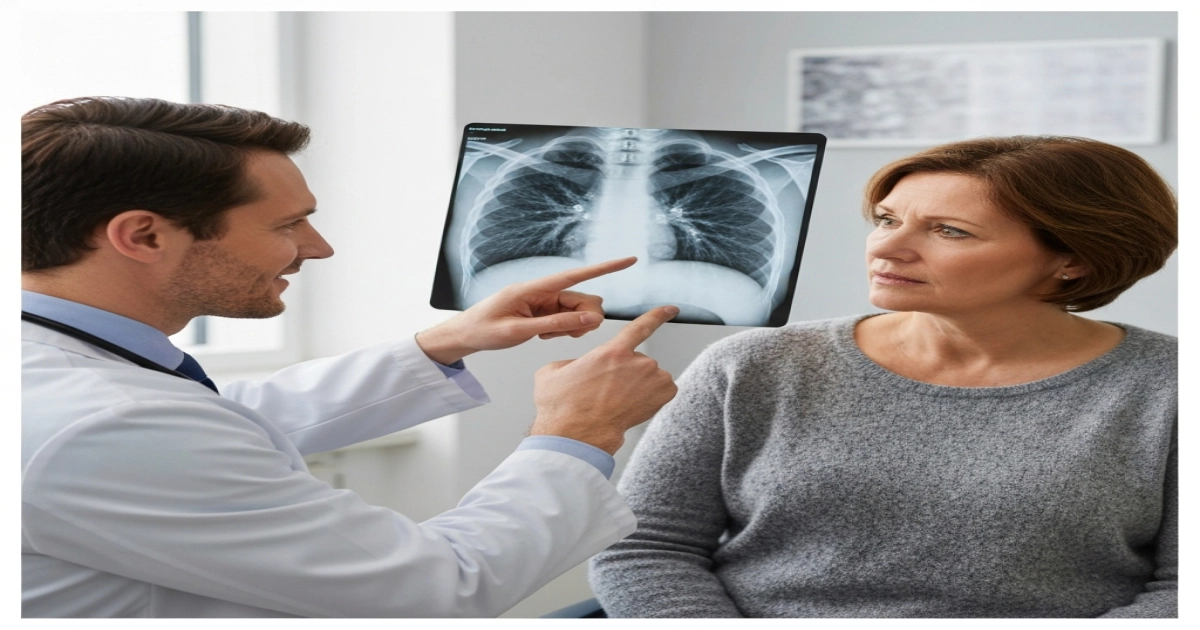
Case Study: Effective Use of COPD Medications
In a recent case study, a 68-year-old male with moderate to severe COPD experienced significant improvement in his symptoms after consistent adherence to his medications. The treatment plan included a long-acting bronchodilator combined with an inhaled corticosteroid. Before starting this combination medicine, he struggled with daily shortness of breath and frequent flare-ups. However, with proper inhaler technique and regular use, he could breathe easier and his exacerbations decreased. The case underscores the importance of tailored treatment and how proper medication management can transform living with COPD.
Scenario: Managing a COPD Flare-Up
Imagine this scenario: a person with COPD suddenly experiences increased shortness of breath, a worsening cough, and more mucus production – a COPD flare-up. The first step is to use a short-acting bronchodilator to relax the muscles around the airways. If symptoms persist, contacting a healthcare provider is crucial. In some cases, antibiotics or steroids may be necessary to combat infection and reduce inflammation. Oxygen therapy might also be required if oxygen levels are critically low. Early intervention in such scenarios can prevent exacerbations and help people with COPD breathe easier during difficult times.
Lessons Learned from COPD Management Challenges
From various COPD management challenges, several key lessons emerge. One significant lesson is the importance of patient education. Many people with COPD are not fully aware of how their medications work or the proper inhaler technique, leading to suboptimal results. I often see new patients who didn’t know that they should breathe in slowly and deeply when using their inhaler. Another lesson is the need for a personalized treatment plan. What works for one person might not work for another, highlighting the importance of tailoring medicines and management strategies to individual needs and conditions.
Future Directions in COPD Treatment

Emerging Therapies and Research
Emerging therapies and ongoing research offer hope for improved treatment options. Scientists are exploring new medications that target specific inflammatory pathways involved in the disease. Gene therapy and stem cell therapy are also being investigated as potential ways to repair damaged lung tissue and improve lung function in people with COPD. These advancements aim to provide more effective and personalized medicines, ultimately helping people with severe COPD breathe easier and improve their quality of life. The future of COPD treatment looks promising with these innovative approaches.
Advancements in COPD Medicine
Advancements in COPD medicine continue to improve the outlook for people living with COPD. Combination inhalers, which combine long-acting bronchodilators and inhaled corticosteroids in a single device, offer convenience and improved adherence. Liquid medicine nebulizers are also becoming more advanced, providing more efficient delivery of medications directly to the airways. Researchers are also exploring new ways to monitor COPD progression using biomarkers and imaging techniques. These advancements aim to enhance the effectiveness of treatment and help people with COPD breathe easier.
Patient-Centric Approaches to Treatment
Patient-centric approaches are becoming increasingly important in COPD treatment, focusing on the individual needs and preferences of people with COPD. This involves shared decision-making between healthcare providers and patients, where treatment plans are tailored to align with the patient’s goals and values. For example, a person with COPD who enjoys outdoor activities might prioritize medications and management strategies that allow them to remain active. By involving patients in their treatment, healthcare providers can improve adherence and overall outcomes, helping people with COPD breathe easier and live fuller lives.
References
Global Initiative for Chronic Obstructive Lung Disease (GOLD).
Global Strategy for the Diagnosis, Management, and Prevention of COPD.
GOLD Reports 2024–2025 Update.World Health Organization (WHO).
Chronic Obstructive Pulmonary Disease (COPD): Key Facts.
WHO, Geneva.Centers for Disease Control and Prevention (CDC).
COPD: Causes, Risk Factors, and Symptoms.
National Center for Chronic Disease Prevention and Health Promotion.Salvi S, Barnes PJ.
Chronic obstructive pulmonary disease in non-smokers.
Medical Disclaimer
Information on this website is for general education only. It is not medical advice.
The content on COPD.MEDLIFEGUIDE is written to help people understand COPD and other breathing conditions in a clear and simple way. It is not a substitute for professional medical care, diagnosis, or treatment.
Always talk to a licensed healthcare provider for personal medical concerns.
Do not ignore symptoms or delay getting help because of something you read on this site. If you think you may be having a medical emergency, call your local emergency number right away.