COPD Exacerbation: Understanding Lung Flare-Ups in Chronic Obstructive Pulmonary Disease
Chronic Obstructive Pulmonary Disease (COPD) is a progressive lung disease that makes breathing difficult. COPD exacerbation, also known as a flare-up, refers to a sudden worsening of COPD symptoms. These exacerbations can significantly impact the quality of life for people with COPD, often requiring immediate medical attention to help them breathe easier.
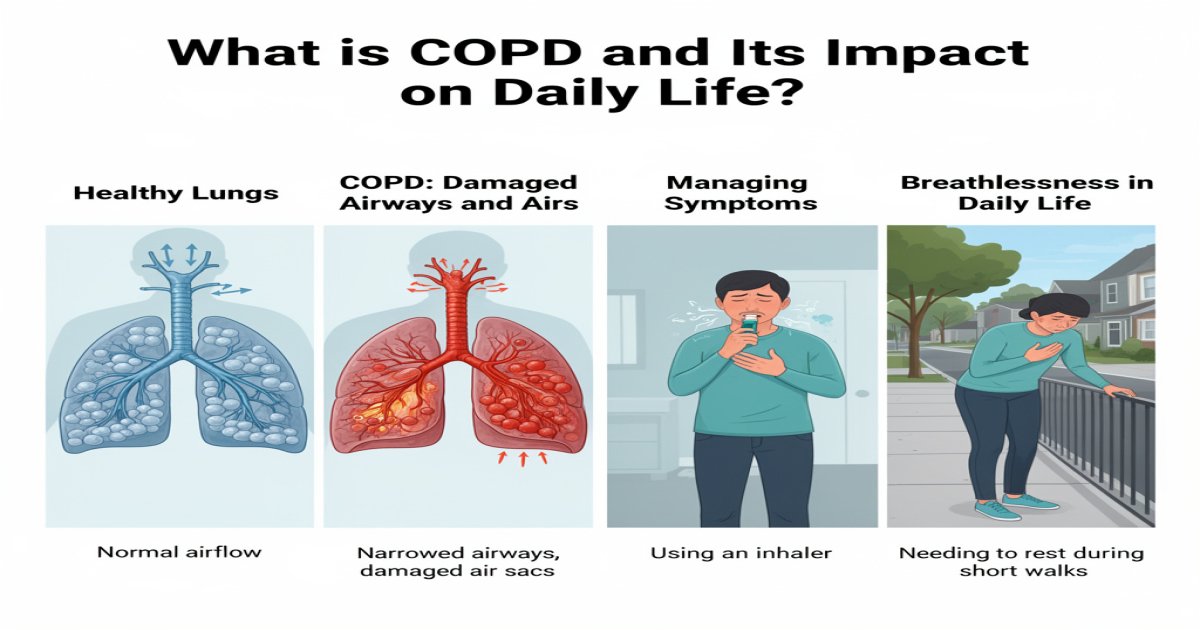
What is COPD and Its Impact on Daily Life?
Defining Chronic Obstructive Pulmonary Disease
Chronic Obstructive Pulmonary Disease, or COPD, is a chronic lung disease encompassing conditions like chronic bronchitis and emphysema. COPD progressively obstructs airflow, causing shortness of breath, wheezing, and a persistent cough. The lung association emphasizes that COPD is primarily caused by long-term exposure to irritants, most notably cigarette smoke. Early diagnosis of COPD is crucial to manage COPD and slow its progression, improving the overall quality of life for those affected by this debilitating lung disease.
Living with Chronic COPD: Daily Challenges
Living with chronic COPD presents numerous daily challenges. Simple activities like walking or climbing stairs can become difficult due to shortness of breath. People with COPD often experience persistent coughing, increased sputum production, and frequent respiratory infections. Even getting a flu can make COPD worse. According to industry experts, pulmonary rehabilitation and consistent use of prescribed inhalers, including bronchodilators and steroids, are crucial for managing COPD symptoms and improving daily function. It’s important to reduce your risk by avoiding COPD triggers, such as secondhand smoke.
Personal Insight: My Experience with COPD Management
I remember when my grandfather was first diagnosed with severe COPD. The symptoms of COPD were overwhelming for him – he constantly struggled with shortness of breath and a persistent cough. We learned that COPD exacerbations, or flare-ups, are serious events that require quick action. His healthcare provider emphasized the importance of adhering to his medication regimen, including bronchodilators and steroids in his inhaler, to manage COPD and prevent these exacerbations. We also made sure he got a flu shot every year to help prevent lung infection, a common trigger for COPD flare-ups.
Understanding COPD Exacerbations
What is a COPD Exacerbation?
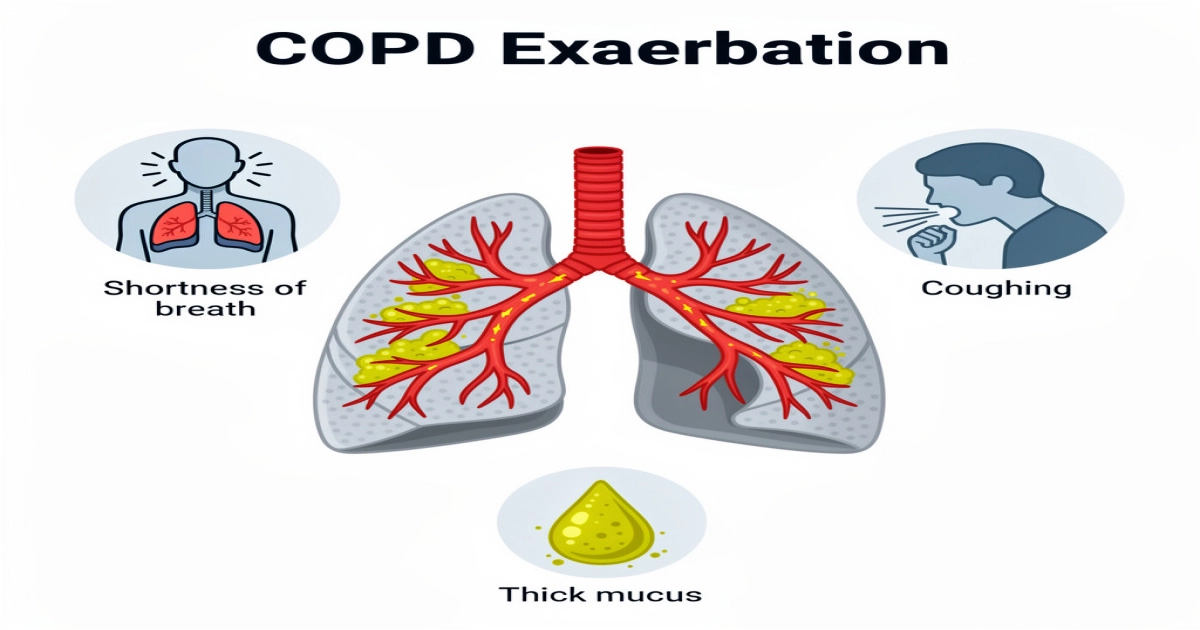
A COPD exacerbation, often known as a flare-up, refers to a sudden worsening of COPD symptoms. This is a critical point in managing chronic obstructive pulmonary disease. COPD exacerbations can be triggered by various factors, including respiratory infections like the flu, exposure to irritants, or even changes in weather. Recognizing the signs of a COPD flare-up or exacerbation is crucial for people with COPD to seek timely medical attention and prevent further lung damage. Early intervention with antibiotics or steroids, as prescribed by your healthcare provider, can significantly improve outcomes during these events.
Common Symptoms of COPD Flare-Ups
Common symptoms of COPD flare-ups can vary, but often include a significant increase in shortness of breath, wheezing, and a change in the color or amount of sputum produced. Other signs of a COPD exacerbation can include increased coughing, chest tightness, and a decrease in oxygen level. You might also see worsening of symptoms like fatigue and difficulty sleeping. According to the Lung Association, it’s important to monitor these symptoms of COPD closely and contact your provider if you notice any sudden or severe changes. Timely intervention can help prevent the exacerbation from escalating and causing further complications to your lung.
Real-World Example: A Day During a COPD Flare-Up
Imagine waking up one morning feeling more winded than usual. As the day progresses, your shortness of breath gets worse, even with your inhaler. You notice your sputum is thicker and darker, and you’re coughing more frequently. By afternoon, you’re struggling to complete simple tasks and feel increasingly anxious. This scenario is a typical COPD flare-up or exacerbation for many people with COPD. Prompt action, such as contacting your healthcare provider and potentially starting antibiotics or steroids, is essential to help you breathe easier and prevent further lung damage. Recognizing those severe symptoms early is key.
Identifying COPD Triggers
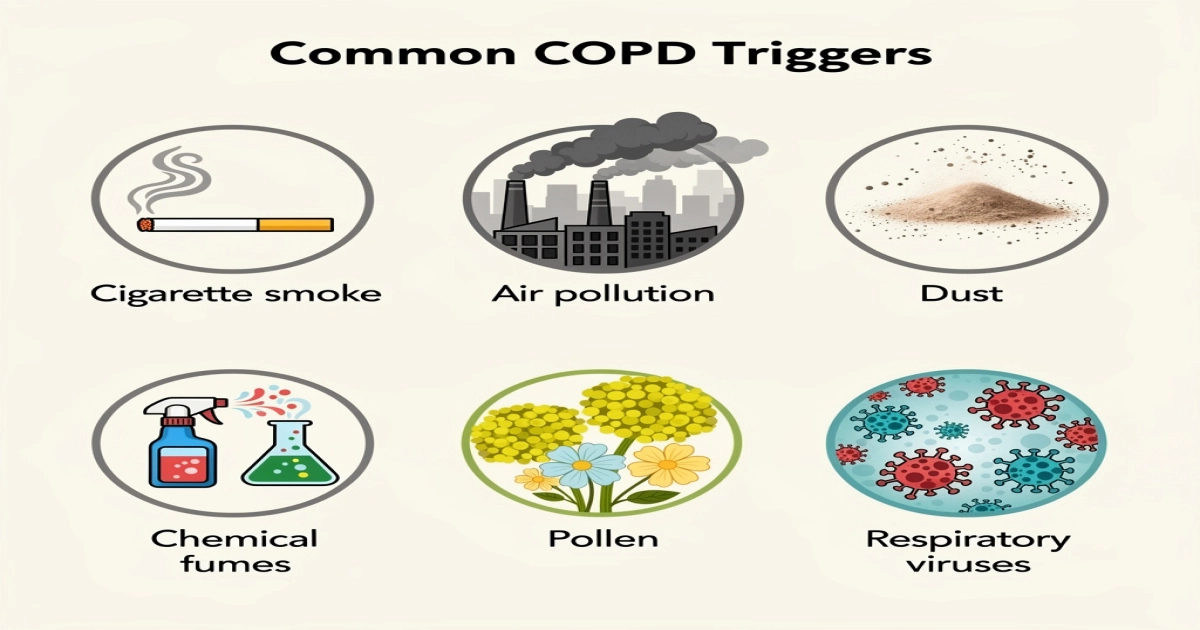
Common Triggers for COPD Exacerbation
Several common triggers can lead to a COPD exacerbation. Respiratory infections, like the flu or pneumonia, are major culprits, causing inflammation and worsening COPD symptoms. Exposure to irritants like cigarette smoke, air pollution, and allergens can also trigger flare-ups. Changes in weather, particularly cold air, can constrict airways and make it harder to breathe. According to many pulmonologists, identifying and avoiding these COPD triggers is essential for managing COPD and reducing the frequency and severity of exacerbations. Reducing your risk of exposure is something you can control.
Personal Stories: What Affected My COPD
My neighbor, who has severe COPD, found out the hard way how seemingly harmless things can trigger a COPD flare-up. She loved gardening, but one day, after spending hours near freshly cut grass, she experienced a significant worsening of symptoms. The pollen and grass particles irritated her airways, leading to a COPD exacerbation that required a trip to the emergency room. From that day on, she always wore a mask while gardening and checked the pollen forecast to reduce her risk and prevent COPD flare-ups. Now she manages COPD a lot better.
Expert Opinions on Managing COPD Triggers
Experts emphasize a proactive approach to managing COPD triggers. Quitting smoking is, of course, the most crucial step to prevent COPD from getting worse and reduce the risk of exacerbations. Many healthcare providers also recommend annual flu shots to help prevent respiratory infections. Air purifiers can help remove irritants from the home environment, while avoiding secondhand smoke is crucial. Identifying specific allergens that affect you and taking steps to minimize exposure can also help manage COPD and prevent flare-ups. You need to reduce your risk wherever possible.
Preventing COPD Exacerbations
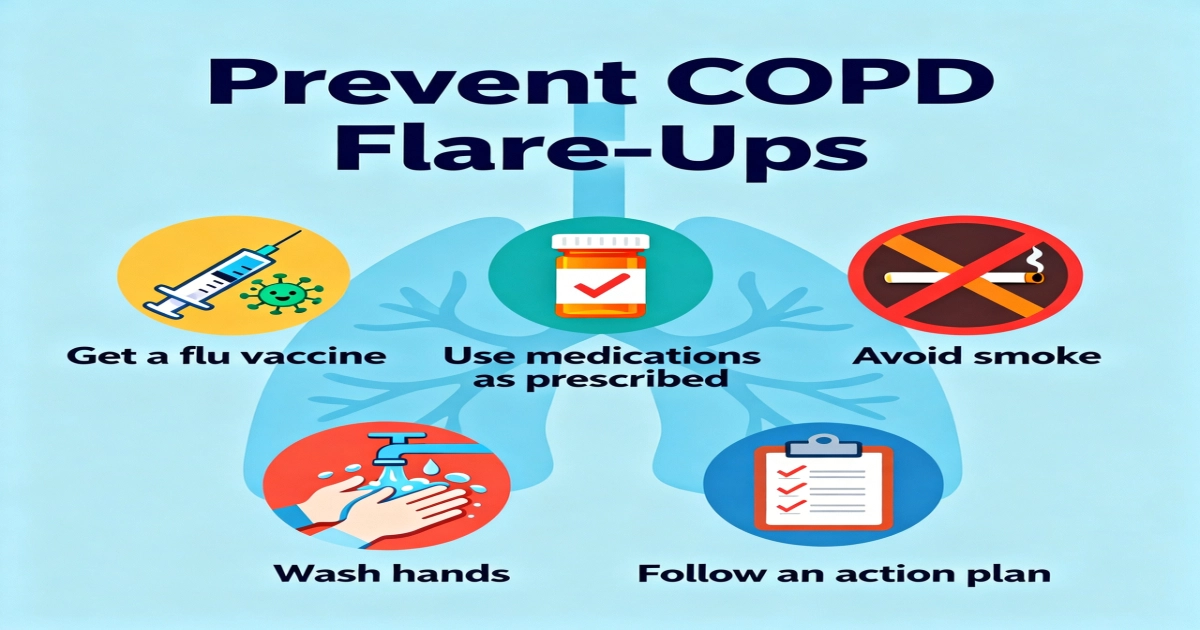
Practical Tips to Reduce the Risk of Flare-Ups
To reduce your risk of COPD flare-ups, it’s essential to actively manage COPD and minimize exposure to COPD triggers. One of the practical tips to consider is to get a flu shot annually to help prevent respiratory infections that can worsen your COPD symptoms. For people with COPD, using prescribed inhalers, including bronchodilators and steroids, is crucial for maintaining open airways and controlling inflammation. Regularly cleaning your home to reduce allergens and irritants can also help you breathe easier and help prevent symptoms of COPD from worsening.
Step-by-Step Instructions for COPD Management
Here are key steps to consider for managing COPD effectively. A proactive approach that can reduce your risk and help you breathe easier involves these key areas:
- Adhering strictly to your prescribed medications, including inhalers with bronchodilators and steroids, as directed by your healthcare provider.
- Monitoring your symptoms of COPD daily, noting any changes in sputum or worsening of symptoms.
- Avoiding exposure to COPD triggers such as secondhand smoke and air pollution.
- Engaging in pulmonary rehabilitation to improve lung function and exercise tolerance.
- Considering getting a flu shot annually to help prevent respiratory infections that can cause an exacerbation of COPD.
Warnings: What Not to Do During an Exacerbation
During a COPD exacerbation, it’s important to avoid certain actions that can worsen your condition. Specifically, you should avoid the following:
- Ignoring symptoms of COPD flare-ups; seek medical attention immediately.
- Self-medicating with over-the-counter remedies without consulting your healthcare provider.
- Smoking or exposing yourself to secondhand smoke, as this can further irritate your airways and worsen your symptoms of COPD.
- Discontinuing prescribed medications, such as bronchodilators or steroids, without medical advice.
Never underestimate how severe symptoms can become quickly. Ignoring these warnings can lead to severe symptoms of COPD, requiring hospitalization and potentially causing lung damage.
When to Seek Help from Healthcare Providers
Signs of a Severe COPD Exacerbation
Recognizing signs of a severe COPD exacerbation is crucial for prompt medical intervention. Signs may include a rapid worsening of symptoms, such as extreme shortness of breath that prevents you from speaking in full sentences, or a significant increase in wheeze. Other symptoms can be a change in sputum color or consistency, high fever, severe chest pain, or confusion. According to the Lung Association, if your oxygen level drops significantly, this is a critical indicator of a severe exacerbation of COPD that requires immediate attention. Ignoring these severe symptoms could result in lung damage and long-term health problems.
Communicating Symptoms Effectively to Your Healthcare Provider
Effectively communicating your COPD symptoms to your healthcare provider is essential for proper management. When describing symptoms of COPD, be specific about the nature, severity, and duration of your symptoms. For example, note any changes in the amount, color, or consistency of your sputum. Explain how your symptoms are affecting your daily activities and whether you are using your inhaler more frequently. It helps to keep a symptom diary to track your symptoms and any potential triggers. Accurate and detailed information enables your healthcare provider to accurately diagnose COPD or any COPD exacerbation and adjust your treatment plan, helping you breathe easier and manage your COPD.
Case Study: How Timely Intervention Helped
Here’s a case I’ve seen frequently: A 68-year-old man with severe COPD noticed a sudden worsening of symptoms, including increased shortness of breath and a change in his sputum. Recognizing these signs of a COPD flare-up or exacerbation, he immediately contacted his healthcare provider. His provider prescribed antibiotics and steroids to combat a potential respiratory infection and reduce inflammation. Within a few days, his symptoms of COPD improved, and he avoided hospitalization. This case underscores the importance of early intervention in managing COPD exacerbations and preventing severe symptoms and potential lung damage. This prompt action ensured that his symptoms did not get worse, and he could manage COPD better.
Lifestyle Changes to Manage COPD

Nutrition and Its Role in COPD Management
Maintaining a balanced diet plays a vital role in managing COPD. Proper nutrition helps strengthen your immune system, making you less susceptible to respiratory infections like the flu, which can worsen COPD symptoms and trigger a COPD exacerbation. Eating a diet rich in fruits, vegetables, and lean proteins provides essential nutrients to support lung health. Some people with COPD find that smaller, more frequent meals are easier to tolerate, as they reduce the feeling of fullness that can cause shortness of breath. According to the Lung Association, staying hydrated is also crucial, as it helps thin sputum, making it easier to cough up.
Exercise: Benefits and Precautions for COPD Patients
Regular exercise is essential for people with COPD, but it’s important to approach it with caution. Pulmonary rehabilitation programs offer structured exercise plans tailored to your individual needs and abilities, helping you improve your lung function and reduce shortness of breath. Before starting any exercise regimen, consult with your healthcare provider to determine the appropriate intensity and duration of activities. Be mindful of potential COPD triggers like cold air or air pollution, and adjust your routine accordingly. Listen to your body and stop exercising if you experience worsening of symptoms or significant wheeze. Exercise should help, not make your COPD worse.
Personal Thought Process: My Approach to Living with COPD
In my experience, living with chronic obstructive pulmonary disease requires a proactive and holistic approach. I strongly recommend combining medical treatments with lifestyle adjustments. It’s important to adhere to prescribed medications, including bronchodilators and steroids, as directed by your healthcare provider. Simultaneously, I focus on managing COPD triggers, like secondhand smoke and air pollution, to reduce the frequency of COPD flare-ups. Incorporating gentle exercises, such as walking, and maintaining a balanced diet also plays a vital role in managing COPD and improving my overall quality of life. Getting a flu shot every year is also a must. This helps prevent lung infection, a common trigger for COPD exacerbation.
Conclusion: Living Well with COPD
Key Takeaways for Managing COPD Exacerbations
The key to effectively managing COPD exacerbations lies in early recognition and prompt action. Be vigilant in monitoring your COPD symptoms, such as increased shortness of breath, changes in sputum, or worsening of wheeze. Have a clear action plan in place with your healthcare provider, outlining when and how to seek medical help. This plan may include using antibiotics or steroids as prescribed. It’s important to avoid COPD triggers and maintain a healthy lifestyle to reduce your risk of exacerbations. People with COPD need to remember that managing COPD is a collaborative effort between you and your healthcare team.
Final Thoughts on Living with Chronic Obstructive Pulmonary Disease
Living with chronic obstructive pulmonary disease can present significant challenges, but it is possible to live a fulfilling and active life. By understanding COPD, managing COPD triggers, and following your healthcare provider’s recommendations, you can effectively manage your COPD symptoms and improve your overall well-being. Remember, you are not alone in this journey. There are numerous support groups and resources available to help people with COPD and their families cope with this chronic lung disease. Stay informed, stay proactive, and stay positive and that’s the best way to prevent COPD.
References
Global Initiative for Chronic Obstructive Lung Disease (GOLD).
Global Strategy for the Diagnosis, Management, and Prevention of COPD.
Latest report. GOLD Foundation.American Lung Association.
COPD Basics, Symptoms, Exacerbations, and Treatment.
American Lung Association.National Heart, Lung, and Blood Institute (NHLBI).
COPD: Causes, Symptoms, Diagnosis, and Treatment.
National Institutes of Health.Centers for Disease Control and Prevention (CDC).
Chronic Obstructive Pulmonary Disease (COPD).
U.S. Department of Health and Human Services.Wedzicha JA, Seemungal TA.
COPD exacerbations: defining their cause and prevention.
The Lancet Respiratory Medicine.Vogelmeier CF et al.
Exacerbation prevention and management in COPD.
European Respiratory Journal.American Thoracic Society (ATS).
Patient Education Series: COPD and Flare-Ups.Mayo Clinic.
COPD Symptoms, Causes, and Complications.
FAQs: COPD Exacerbation
What are the symptoms of COPD exacerbation?
The most common symptoms include:
Sudden increase in shortness of breath
More frequent or severe coughing
Wheezing or chest tightness
Thick, dark, or increased mucus
Fatigue and trouble sleeping
Low oxygen levels or dizziness
Symptoms are worse than your normal day-to-day COPD symptoms.
How to stop a COPD exacerbation?
You can reduce or stop a flare-up by:
Using rescue inhalers as prescribed
Taking steroids or antibiotics if advised by your doctor
Avoiding smoke, pollution, and cold air
Resting and staying hydrated
Following your COPD action plan
Early treatment makes a big difference.
What is an exacerbation?
An exacerbation is a sudden flare-up of a chronic disease. In COPD, it means breathing symptoms suddenly worsen and need extra treatment or medical care.
When should you go to the hospital for a COPD flare-up?
Go to the hospital right away if you have:
Severe shortness of breath at rest
Trouble speaking full sentences
Blue lips or fingertips
Chest pain or confusion
No relief from inhalers
Very low oxygen readings
These are signs of a severe COPD exacerbation.
How to confirm a COPD exacerbation?
A COPD exacerbation is confirmed by:
Worsening symptoms compared to your normal baseline
Physical exam by a healthcare provider
Oxygen level testing
Chest X-ray or blood tests if needed
Doctors also check for infections or other triggers.
What are the early warning signs of COPD?
Early warning signs include:
Needing your inhaler more often
Increased coughing
Changes in mucus color or thickness
Feeling more tired than usual
Mild increase in shortness of breath
Catching these signs early helps prevent a full flare-up.
Medical Disclaimer
Information on this website is for general education only. It is not medical advice.
The content on COPD.MEDLIFEGUIDE is written to help people understand COPD and other breathing conditions in a clear and simple way. It is not a substitute for professional medical care, diagnosis, or treatment.
Always talk to a licensed healthcare provider for personal medical concerns.
Do not ignore symptoms or delay getting help because of something you read on this site. If you think you may be having a medical emergency, call your local emergency number right away.